


Iran Dress Code for Tourists: What to Wear While Traveling in Iran
With the growing interest in traveling to Iran, many tourists are curious about the country’s dress code and cultural expectations. The good news is that Iran’s dress regulations for visitors are generally straightforward and easier than many travelers expect. Here’s a practical and updated guide on what to wear in Iran as a tourist.
Dress Code in Iran for Female Tourists
Women visiting Iran are required to observe the Islamic dress code in public places. However, the rules for tourists are usually flexible and locals are generally understanding toward foreign visitors.
What Women Should Wear in Iran
Loose-fitting trousers, jeans, skirts, or long dresses are acceptable.
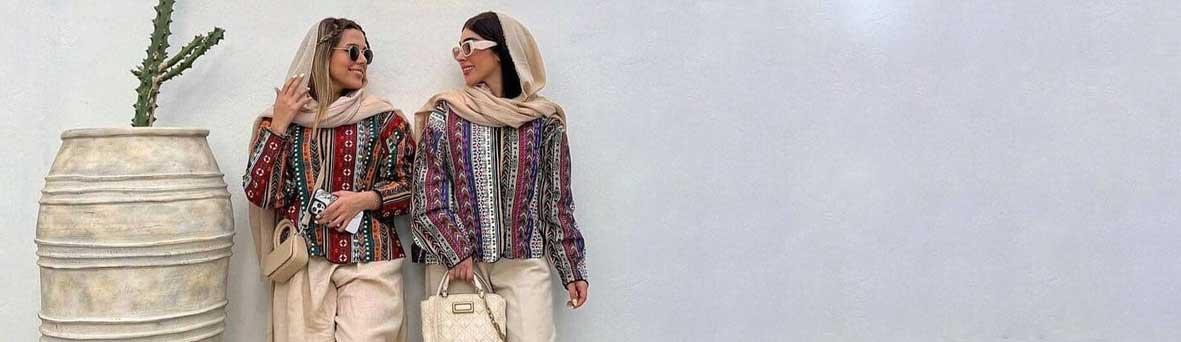
A tunic, manteau, long shirt, or coat that covers the hips is recommended.
Wearing colorful clothing is completely fine.
A headscarf or shawl is required in public areas, but it does not need to cover all hair perfectly. Showing a little hair is common in major cities.
Sandals and open-toe shoes are allowed, especially during warm seasons.
Makeup, nail polish, and accessories are widely used by Iranian women and are acceptable for tourists as well.
Unlike some misconceptions, women are not required to wear a burqa or face veil while traveling in Iran.
Dress Code in Iran for Male Tourists
Iranian men commonly wear modern Western-style clothing, and foreign male travelers can dress casually in most places.
What Men Should Wear in Iran
T-shirts, shirts, jeans, and casual trousers are acceptable.
Sandals are allowed.
Shorts above the knee and sleeveless tops are generally not appropriate in public areas.
Swimwear is acceptable only at private beaches or swimming facilities.
Dress Code in Mosques and Holy Places
When visiting mosques, shrines, and religious sites in Iran, more conservative clothing is recommended for both men and women.
Important Tips for Religious Sites
Women may be asked to wear a chador in major shrines and holy places. These are usually provided free of charge at the entrance.
Clothing should fully cover arms and legs.
Shoes must often be removed before entering carpeted prayer areas.
Popular religious destinations such as Mashhad and Qom tend to have stricter dress expectations than large cities like Tehran or Shiraz.
What to Wear on Nature Tours in Iran
Dress rules are generally more relaxed during hiking, desert tours, and nature trips. Travelers often wear comfortable outdoor clothing while still respecting local cultural norms.
For nature tours in Iran, it is recommended to bring:
Lightweight breathable clothing for summer
Warm layers for mountain regions and cold seasons
Comfortable walking or hiking shoes
Sunglasses, hats, and sunscreen
Seasonal Clothing Tips for Iran
Iran has diverse climates depending on the region and season.
Summer Travel
Light cotton clothing is ideal.
Cities like Yazd and Ahvaz can become extremely hot.
Winter Travel
Warm jackets, scarves, and boots are necessary in colder regions.
Mountain areas and cities such as Tabriz or Tehran can experience snow and freezing temperatures.
Is Iran Strict About Dress Code for Tourists?
In practice, the dress code in Iran for tourists is often less strict than many international visitors expect, especially in major tourist cities. Iranian society is diverse and modern in many urban areas, though respectful clothing is still important in public spaces.
As a visitor, dressing modestly and respectfully will help you feel comfortable and enjoy positive interactions with locals.
Find clear answers to the most common questions below.
Yes. Female tourists are required to wear a headscarf in public places.
Absolutely. Bright colors and fashionable clothing are common in Iran.
Shorts are generally discouraged in public places, especially in cities and religious areas.
Yes. Conservative clothing is recommended, and women may need to wear a chador provided at the entrance.