

Intended destinations: Tehran, Qeshm, Hormoz Island, Hengam Island (most beautiful Persian islands), Bandar-e Pol, Lar, Lamerd, Shiraz, Pooladkaf, Komehr, Padena, Khafr, Sar Aqa Seyyed or Kuhrang, Isfahan, Abyaneh, Kashan, Kelardasht, Polur Iran’s geographical location has given everyone a good chance of visiting a country with continental climate change and rich flora. Qeshm Island has long been geologists’ paradise and the largest Geopark in the Middle East.
The combination of splendid Hara forests, the biggest salt caves of the world, the beautiful Hengam and Hormoz Islands, the marvelously-colored soil, the clear blue sky, and the clear water of the sea, has given rise to one of the most spectacular islands in the world. You will experience tropical weather in Qeshm and frigid weather in Pooladkaf wonderful skiing resort and the heights of Dena Range within a one-hour flight. You will also experience a trip to Iran’s central desert, and passing Mount Damavand on the way, you will see the beautiful Hirkani forest. This Iran tour package covers Iran top tourist attractions.
Sightseeing: Carpet Museum, Sa’ad Abad Complex, Reza Abbasi Museum
Night Optional Tours in Tehran: Nature Bridge (Pol-e Tabiat), Milad tower, Darband, Tajrish bazaar, Azadi square, and charming Cafes in Tehran
Upon your pre-dawn arrival at Tehran Airport, our representative — holding a sign with your transfer information—will greet you and escort you to your hotel. After checking in, you’ll have time to rest before beginning our morning tour of Tehran.
To make the most of the day and avoid heavy traffic, we’ll use the subway and chartered taxis. This not only saves time but also gives you a great opportunity to interact with local people and experience everyday life in Tehran. Our tour begins at 9:30 AM with a visit to the Carpet Museum of Iran, home to more than 100 stunning carpets and rugs from across the country. Here, you’ll gain insight into the artistry, craftsmanship, and history behind Persian hand-woven carpets.
Next, we explore the expansive Sa’ad Abad Complex, covering 1,100,000 square meters and featuring 18 historic palaces—two of which we will tour. Originally built by Qajar monarchs in the 19th century, the complex was later used by Reza Shah and Mohammad Reza Shah of the Pahlavi dynasty before being converted into a museum after the 1979 Revolution. Its grandeur and history make it one of Tehran’s most impressive landmarks.
Following our visit, we’ll enjoy a delicious Iranian lunch at a traditional restaurant. In the afternoon, we head to the Reza Abbasi Museum, named after the renowned Safavid-era artist. The museum displays an exceptional collection of Persian art spanning from the 2nd millennium BC to the Islamic period, offering a deep look into Iran’s artistic heritage.
Overnight in Tehran
Note: The order of sightseeing may vary depending on your arrival time, the guide’s recommendations, and official or unofficial museum holidays. Unforeseen events may cause changes to the tour itinerary.
Sightseeing: National Museum of Iran, Golestan Palace, Bazaar, National Jewelry Museum
We begin the morning with a visit to the National Museum of Iran, consisting of two main sections: the Museum of Ancient Iran (opened in 1937) and the Museum of the Islamic Era (opened in 1972). Together, they house an extraordinary collection of historical artifacts—including pottery, metalwork, textiles, rare books, and ancient coins—offering a remarkable journey through Iran’s ancient and medieval heritage. Through these displays, we gain a vivid picture of the evolution of civilization in this region.
Our next stop is the magnificent Golestan Palace, the former Qajar royal complex and one of Tehran’s oldest and most celebrated monuments. This UNESCO World Heritage Site includes elegant halls, beautiful gardens, and collections showcasing Iranian craftsmanship as well as European gifts from the 18th and 19th centuries.
We then take a stroll through the bustling Tehran Bazaar, the economic heartbeat of the city. More than just a marketplace, the bazaar is a vibrant social hub where daily life unfolds—people gather, interact, and shape the cultural and political landscape of the city. After our walk, we enjoy lunch at a local restaurant.
Our Tehran sightseeing concludes with a visit to the National Jewelry Museum, home to an unrivaled collection of priceless jewels. Among its treasures is the famed Darya-e-Noor “Sea of Light”, one of the world’s most renowned diamonds. (The museum is only open on Saturdays to Tuesdays from 13:00 to 16:00). In the late afternoon, we transfer to the airport for our flight to Qeshm.
Overnight in Qeshm
Sightseeing: Natural attractions of Hormoz Island
Today we take a ferry to Hormoz, an Iranian island in the Persian Gulf to enjoy visiting its natural beauties. Everywhere we look is potentially interesting. It seems as if all the range of colors and shapes were around the island. We spend a lot of our limited time wondering around awesome caves, crusty rivers and weird rocks.
Located in the Strait of Hormuz, 8 kilometers (5 mi) off the Iranian coast, Hormoz Island is part of Hormozgan Province with an area of 42 km2. It is covered by sedimentary rock and layers of volcanic material on its surface. The highest point of the island is about 186 meters (610 ft.) above sea level. Due to a lack of precipitation, the soil and water are salty. Hormoz Island is considered a unique mineralogical reservoir, due to the incredible variety of rocks and minerals found in this small area. The only monument highlighted in the region, is an old colonial Portuguese fort in serious decay. There is no sign of life around the crumbling walls.
The geological features of the region make this island a unique place in the world and a top destination for anyone into geotourism.
Overnight in Qeshm
Sightseeing: Natural attractions of Hengam Island, salt caves, Hara forests
Today we take a ferry to another Iranian island in the Persian Gulf; Hengam Island. Located south of Qeshm Island, it is 36.6 kilometers (22.7 miles) wide and shaped like a truncated cone. The island is generally calcareous and generally low-lying. The highest point on the island is Nakas Mountain with an altitude of about 106 meters (348 feet). The distance between Hengam Island and Qeshm Island is about 2 kilometers (1.2 miles). The primary economic activity is fishing, as well as some tourism and sightseeing. The main sights of Hengam are the English harbor buildings along with the coal storage, the Portuguese shipwrecks, and aquatic animals such as turtles, dolphins, corals, and sharks.
Next, we move on to visit the Salt Cave which is one of the masterpieces of creation in Qeshm Island. Some mountains of Qeshm have turned into salt caves as a result of accumulation of sea water in deep fault and subsequent precipitation of salt. Such caves are not only important as a tourism attraction, but are also significant geological hallmarks. Namakdan salt dome is among natural attractions of Qeshm Island, which attracts a lot of tourists every year. Namakdan salt dome is the only salt dome in Qeshm Island which extends from southern promontory of Salakh anticline up to the northwestern promontory of Basaeedou anticline. Salt caves are located to the south of Namakdan salt dome and are up to 20 meters high and 6 kilometers long. The walls of the caves are formed of colorful salt strips and ferrous ores of hematite, giving it a special beauty. Also Stalagmite, Stalactite and crystallized salts, present in the cave, have added to its beauties. According to recent researches, breathing in the caves maybe useful for curing asthma. Then we will pay a visit to Hara forests (mangrove forests) of Qeshm. Due to a lack of precipitation, the island’s soil and water are salty. As a result, specialists have helped cultivar white mangrove or Hara trees to grow in the climate. The Hara tree, Avicennia marina, grows to heights of three to eight meters and has bright green leaves and twigs. The tree is a salt-water plant that is often submerged at high tide. It usually blossoms and bears fruit from mid-July to August, with yellow flowers and a sweet almond-like fruit. Dominated by the species Avicennia marina, known locally as the "Hara" tree, the forests represent an important ecological resource. The "Hara Protected Area" is a biosphere reserve where commercial use is restricted to fishing (mainly shrimp), tourist boat trips, and limited mangrove cutting for animal feed. The area is a major habitat for migratory birds in the cold season, and for reptiles, fish, and varieties of arthropoda and bivalves. Green (or hooked) turtles and venomous aquatic snakes are also indigenous to the forests. Bird life includes herons, flamingos, pelicans, and angler eagles. Another important feature of these forests is the appropriate and suitable seabed conditions for the ovulation of fish in the Persian Gulf.
Overnight in Qeshm
Sightseeing: Bandar-e Pol, Lar & Lamerdcities
Today we move to Bandar-e Pol, about 60km west of Bandar Abbas, by boat. We can see incredible mangrove forests and colorful dressed women there. Then we drive to Shiraz. On the way, we will visit Lar and Lamerd cities. Lar city was originally called Lad after the person who had first established the city. The city is divided into two areas: new-city and old-city. New-city, which was constructed after the historical earthquake of 1960, now accommodates the main population and is considered to be modern in terms of civil and transport engineering (e.g. dead-ends are very rare). The Old city contains the Bazaar of Qaisariye, a pre-Safavid dynasty creation , that was proposed as a UNESCO World Heritage Site on August 9, 2007. Lamerd was considered to be a major stop along the road to the Persian Gulf around 16th and 17th centuries. Its main industries are based on its rich natural gas sources. Lamerd International Airport opened in 1964, with flights to Tehran, Shiraz, Lar, Lavan and international flights to Kuwait, Qatar and United Arab Emirates.
Finally we continue all the way to Shiraz and stay overnight in Shiraz.
Night Optional Tours in Shiraz: Concert tour in Sang-e Siah district, Zoorkhaneh, Baba Kouhi (mountain trekking), Cinema Complex, Walking Tour, Cafe Tour
Sightseeing: Karim Khan Palace, Vakil Mosque, Vakil Bazaar, Saraye Moshir, Eram Garden, Tombs of Hafez & Saadi, Ali-Ebn-e-Hamzeh Shrine, Jahan Nama Garden, and Tomb of Khajou-ye Kermani
Shiraz has long been known as a center of enlightenment and culture, serving as one of Iran’s most influential cities for over 2,000 years—and once even its capital. Often celebrated as the heartland of Persian culture, Shiraz evokes images of poetry, gardens, roses, and nightingales. We begin our morning by exploring the highlights from the Zand Dynasty, when Shiraz served as the nation’s capital. Our first stops include the impressive Karim Khan Palace, the elegant Vakil Mosque, the bustling Vakil Bazaar, and Saraye Moshir, known for its beautiful architecture and traditional handicraft shops.
Next, we enjoy a delicious Iranian lunch at one of Shiraz’s traditional restaurants. This enchanting city is also home to Iran’s most beloved poets. We will visit the tombs of Hafez and Saadi, two literary masters whose words continue to inspire readers around the world. Hafez, admired for the depth and beauty of his poetry, rests in a tranquil garden setting that exudes peace. Saadi—poet, philosopher, mystic, and often called the “father of tourism”—traveled widely seven centuries ago and recorded his experiences in his masterpieces Bustan and Golestan, which remain rich sources of wisdom and inspiration. In the evening, we visit the stunning Eram Garden, a perfect example of a Persian garden and a UNESCO World Heritage Site. We then stop at the beautifully adorned Ali-Ebn-e-Hamzeh Shrine, known for its breathtaking mirror-work.
Afterwards, we take a peaceful stroll through Jahan Nama Garden, famous for its towering cypress trees. We end the day at the tomb of Khajou-ye Kermani, where a panoramic view of Shiraz offers a memorable final impression of this magical city.
Overnight in Shiraz
Sightseeing: Nasir Al Mulk Mosque , Persepolis, Necropolis & Pasargadae
We begin the morning with a visit to the beautiful Nasir Al Mulk Mosque (Pink Mosque), followed by visiting legendary Persepolis, founded by Darius I in 518 BC. Once the ceremonial capital of the Achaemenid Empire, Persepolis was constructed on a vast terrace—partly natural, partly man-made—where the “King of Kings” built an extraordinary complex of palaces inspired by Mesopotamian architecture. Designed not only as a seat of government but also as a spectacular setting for royal ceremonies such as Nowruz, the grandeur and historical significance of its monumental ruins make Persepolis one of the most remarkable archaeological sites in the world.
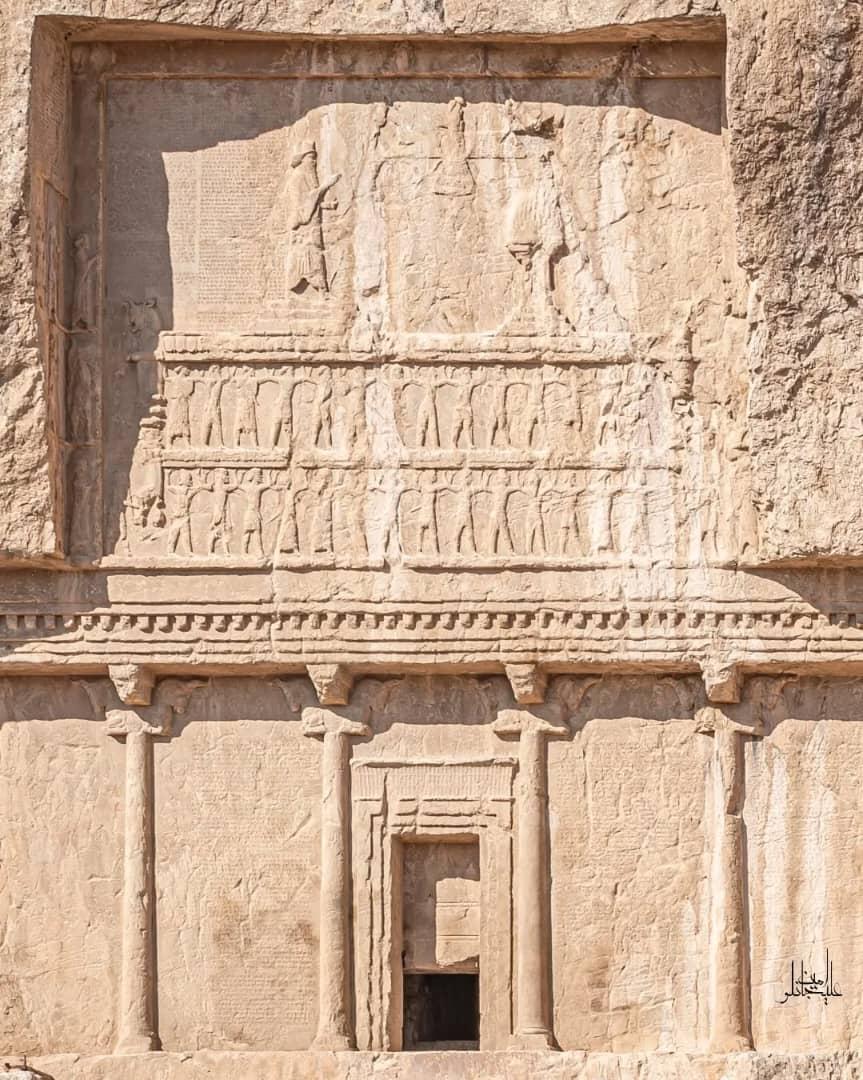
Next, we visit Necropolis (Naqsh-e Rostam), located just north of Persepolis. This impressive site is home to the rock-cut tombs of Achaemenid kings, carved high into the cliffs of a Mountain. The site also features seven remarkable bas-reliefs from the Elamite and Sassanid periods, offering a fascinating look into Iran’s ancient artistic heritage.
We will then drive another 60 km up north to visit Pasargadae, the first capital of the Achaemenid Empire, founded by Cyrus the Great (559–530 BC). This UNESCO World Heritage Site includes the impressive Tomb of Cyrus and the remains of his royal complex, offering a powerful window into the early Persian Empire.
Overnight in Shiraz
Sightseeing : Pooladkaf ski resort, Komehr village
We begin the day with an excursion to Pooladkaf, a ski resort in the northwest of Fars province in the middle of Zagros Mountains, 85 km from Shiraz. It opened in 2002. In spite of its low latitude, it receives adequate snow due to its high elevation (usually 2 meters of snow in February). The skiing season starts in December and lasts to the end of March, or in some years April. A gondola lift runs 2100 m and surface lifts support skiers. As of 2012 a hotel restaurant was under construction. It has a small guest house, a restaurant with traditional foods and fast foods, and a coffee shop at the top station of the gondola.
Snowmobiles and ATVs are available along with Segway, bikes, and horses. All resort facilities are open to the public in non-skiing seasons as well. We can stay there a whole day to do the amusing sport of skiing. Then we move towards Komehr, a splendid village located in Margoon region. It is considered a suitable place for a full day trekking in the intact nature of Zagros. In the vicinity of this village lies a scenic strait with rich flora. You will have the chance to get familiar with the life style, economy, culture, beliefs and nourishment of the villagers in Iran.
Overnight in Pooladkaf
Sightseeing: Natural attractions ofPadena & Khafr villages,fanciful landscapes of Zagros Mountains
We get an early start today and head for Padena. About 160 km northwest of Shiraz, there are more than 40 peaks higher than 4000 meters in a region called Padena in the Dena Range and in the Zagros Mountains in general. A mixture of the woods, peaks, snow, rivers, springs and waterfalls, has resulted in the region’s pleasant climate, certain attraction, and unique flora and fauna. Padena is a popular tourist resort of outstanding natural beauty for mountain climbers and those who seek solace trekking in nature away from a life of luxury. Then we move to Khafr, a village at the foot of Ghash-e Mastan, the highest peak in Dena Range peaking at 4450 meters. We will enjoy the pleasant climate of the region and the most fanciful landscapes of Zagros Mountains.
We stay overnight in Khafr
Sightseeing: Natural attractions of Sar Aqa Seyyed village or Kuhrang
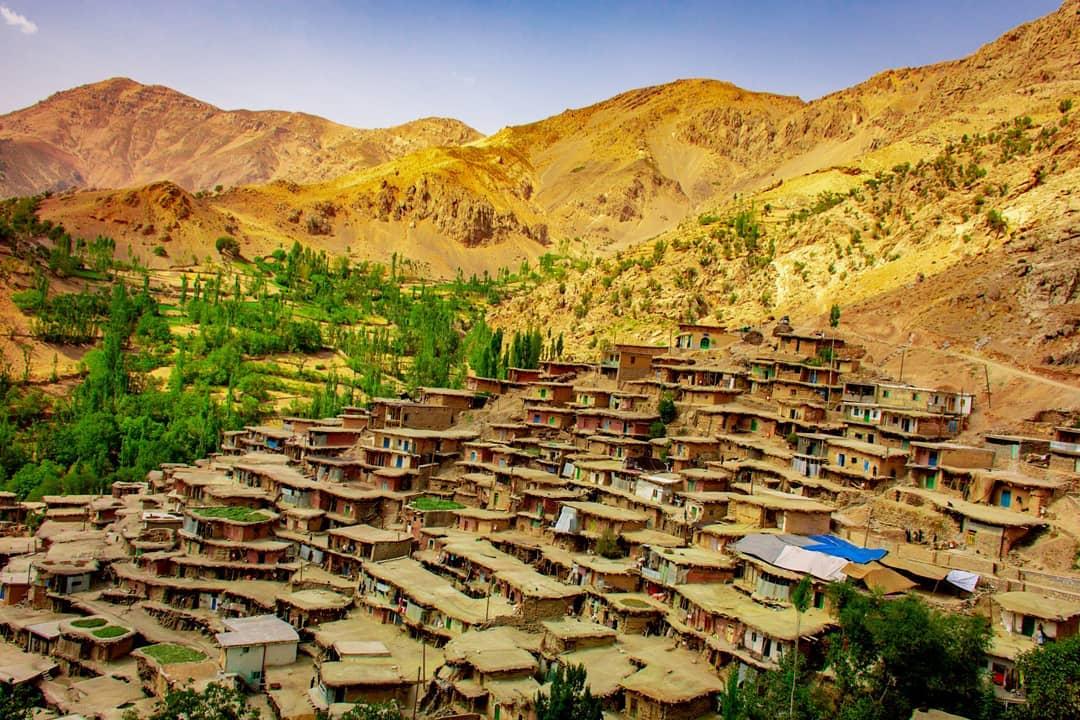
Today we leave for Sar Aqa Seyyed village or Kuhrang County. The village isan extremely rural one, a few centuries old, located in the Zagros Mountain range in Chaharmahal and Bakhtiari Province. An exceptional few number of travelers have ever had the chance to experience this rare unvisited destination.
The phenomenal step-like architecture is very similar to that seen in the more popular Masuleh village in the northern Iranian province of Gilan. The culture of this tiny community is very untouched and has maintained its traditional heritage for many years. Surrounded by marvelously rich and undisturbed natural environment, this tucked away village, in its beautiful tranquility, gives its residence and visitors a true taste of bliss.
In Sar Aqa Seyyed village everybody dresses in traditional Bakhtiari clothing and speak Bakhtiari. There are currently no public accommodations in this village; however locals accept guests and visitors to their community with open arms. Kuhrang is a county in Chaharmahal and Bakhtiari Province in central Iran. It has only one city; Chelgard, but many tourism attractions. We can see Kohrang spring, ice cave, Sheikh-Ali khan waterfall, and Dimeh spring in there. The people of this county are Bakhtiari and speak Lorish.
We stay overnight in Sar Aqa Seyyed or Kuhrang
Sightseeing: Vank Cathedral, Si-o-seh Pol bridge, Chaharbagh Abbasi, Naqsh-e Jahan Square, Aliqapoo Palace, Shah Abbas Mosque. Visiting Tang-e Boragh on the way (optional)
Night Optional Tours in Isfahan: Visit Khajoo Bridge, known for its lively evening singing, Sofeh Park, and Traditional Hammam
We depart from the hotel at 8:00 AM and begin our journey toward Isfahan. We then continue the drive to Isfahan, arriving around 1:00 PM. After lunch, we start our planned sightseeing.
Isfahan—often described as “Half the World”—is a legendary city that never fails to enchant its visitors. Known as the jewel of traditional Islamic architecture, Isfahan is also a vibrant center where history and contemporary arts blend beautifully. Famous for its magnificent palaces, elegant gardens, and serene atmosphere, the city has captivated travelers for centuries.
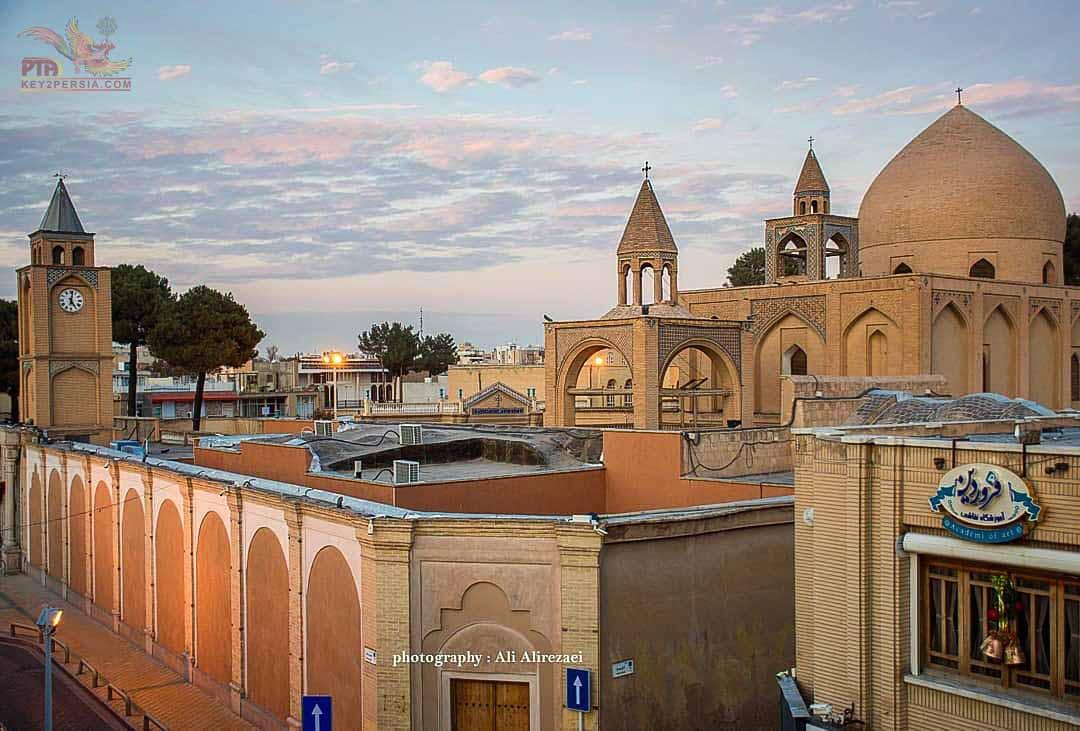
Our first visit would be Vank Cathedral, one of the most beautiful Armenian churches in the world, renowned for its intricate frescoes, gilded decorations, and peaceful courtyard. It is a profound cultural and spiritual landmark that captivates visitors—especially Christian travelers.
We will the visit iconic Si-o-seh Pol (Allahverdi Khan Bridge), the celebrated “Bridge of Thirty-Three Arches.” This masterpiece of Safavid engineering spans the Zayandehroud River at a length of nearly 298 meters, making it the longest and one of the most elegant bridges in Isfahan.
Later, we’ll stroll along Chaharbagh-e Abbasi, one of Isfahan’s most charming historic streets, leading to Naqsh-e Jahan Square to visit Ali Qapu Palace and Shah Abbas Mosque.
Naqsh-e Jahan Square is one of the largest and most impressive squares on the planet, second in size only to Beijing’s Tiananmen Square. Surrounding the square are some of the most stunning architectural masterpieces of the Safavid era.
Next, we explore Ali Qapu Palace, whose name combines the Persian “Ālī” (imperial or great) and the Azerbaijani “Qāpū” (gate). As the grand gateway to the royal palaces stretching from Naqsh-e Jahan Square to Chahar Bagh Strret, Ali Qapu served as a ceremonial entrance and an elevated viewpoint for watching polo matches and festivities in the square.
We continue our tour with visits to two of the city’s most extraordinary religious landmarks: Shah Abbas Mosque, a masterpiece of tilework, calligraphy, and harmonious.
Overnight in Isfahan
Sightseeing: Chehel Sotoun Palace, Sheikh Lotfollah Mosque, Jame (Grand) Mosque, Music Museum
Our full-day tour begins at the graceful Chehel Sotoun Palace, a royal pavilion set within a peaceful garden at the end of a long reflecting pool. Built by Shah Abbas II for court ceremonies and royal receptions, the palace gets its name—“Forty Columns”—from the twenty wooden pillars at its entrance that, when reflected in the pool, appear as forty.
Next, we’ll visit Sheykh Lotfollah Mosque, a masterpiece of Persian architecture, famed for its intricate tilework, elegant dome, and serene, awe-inspiring beauty.
Our visit continues at Isfahan’s Grand Mosque, a stunning example of Persian architecture, where you can admire its magnificent domes, intricate brickwork, and centuries-old artistry that reflect the city’s rich spiritual and cultural heritage.
Our final visit of the day is the Isfahan Music Museum, where you can explore a fascinating collection of traditional instruments and discover the rich musical heritage of the country.
Overnight in Isfahan
Sightseeing: Abyaneh village (on the way to Kashan), Aghabozorg Mosque
Night Optional Tour : Maranjab desert
Today, instead of the highway, we will choose the old Kashan route, passing through several villages and settlements to add charm and interest to the journey. We drive to towards Kashan via Toroghrood and Hanjen village.
We then continue to the UNESCO-recognized village of Abyaneh, situated in the Barzrud Rural District at the foothills of Mount Karkas and near the central desert. At the top of the village lie the remnants of a Sassanid-era fort, bearing witness to its long history. The people of Abyaneh speak a distinctive dialect that has preserved many features of Middle Persian—the language of Sassanian Iran.
We take time to enjoy the tranquility of this picturesque village, admire its unique architecture, and meet the friendly locals who still speak, live, and dress in traditional Persian style. The red-mud houses, stepped alleys, and cultural authenticity make Abyaneh a truly memorable stop.
By late afternoon, we arrive in Kashan and check into the hotel.
Overnight in Kashan
Sightseeing: Historic houses of Borujerdiha and Tabatabaeiha, Fin Garden
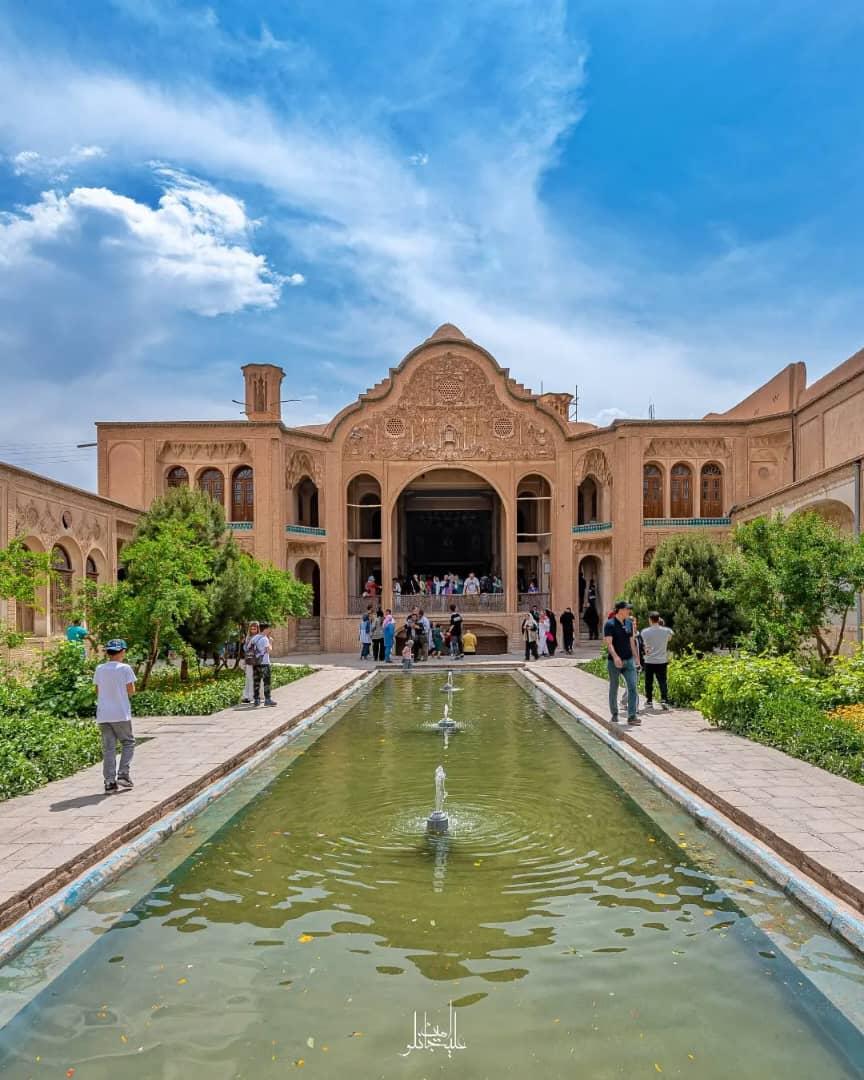
We begin our day with a tour of the city. First, we will pay a visit to the historical houses of Borujerdiha and Tabatabaeiha in Kashan and get acquainted with the previous century’s architecture, the Qajar era. Then we will stop by the Fin Garden; a historical Persian garden containing Kashan's Fin Bath, where Amir Kabir, the Qajarid chancellor, was murdered by an assassin sent by King Nasereddin Shah in 1852. Completed in 1590, the Fin Garden is the oldest extant garden in Iran. Afterwards we will have lunch and leave Kashan for Kelardasht which is a large valley in the Alborz Mountains. We stay overnight there.
Sightseeing: Natural attractions of Kelardasht
Today we will have a great time visiting the natural beauties of Kelardasht and the Caspian Sea. Kelardasht is a city in Chalus County, Mazandaran Province. Originally a farming area, in recent years much of its land was sold in small lots to build numerous villas which are occupied by summer visitors trying to escape the heat of Tehran. Its attractions include Alamkooh Mountain (the second tallest peak in Iran (4850 m)), Abbasabad Road, and Valasht Lake. Picnicking and mountain climbing in the area surrounding Rud-Barak are also popular, as well as in the Abbasabad Forest nearby. The majority of the inhabitants speak Gilaki, but a few migrants speak Kurdish.
Stay overnight in Kelardasht
Sightseeing: Natural attractions of Polur village, Damavand’s landscapes
Today we hit the road to Polur, a small village located in Iran’s rocky Mazandaran Province, located on Road 77 (Haraz Road), the main route from Tehran to the Caspian Sea coast. It is well known for being a popular base to climb Mount Damavand in the Lar National Park, part of the Central Alborz mountain range. Mount Damavand, a potentially active volcano, is the highest peak in Iran and the Middle East, and the highest volcano in Asia. It is in the middle of the Alborz range near the southern coast of the Caspian Sea. It is the 12th most prominent peak in the world, and the second most prominent in Asia after Mount Everest. The starting point for those setting off to scale Mount Damavand, Polur village has a great view of Mount Damavand. Hence during our visit to the village, we will enjoy the most fanciful landscapes of Mount Damavand and take nice pictures of the neighboring villages.
Over night in Polur
Sightseeing: Damavand’s hillsides In the morning
We go trekking in Damavand’s hillsides and enjoy the natural beauties of the area with a cool climate. In the afternoon, we hit the road to Tehran and check into the hotel.
Over night in Tehran
Sightseeing: Remaining sites of Tehran
Today we will visit the remaining sites of Tehran. Finally we transfer to IKA and depart from Iran, the land of history, culture, nature, beauty and hospitality, of which you will have fond memories forever. (In “Paradise in Persia”, we didn’t consider it necessary to book a hotel for this night. On request, we can book the hotel at IKA for some hours or a whole night in accordance with your departure time).