


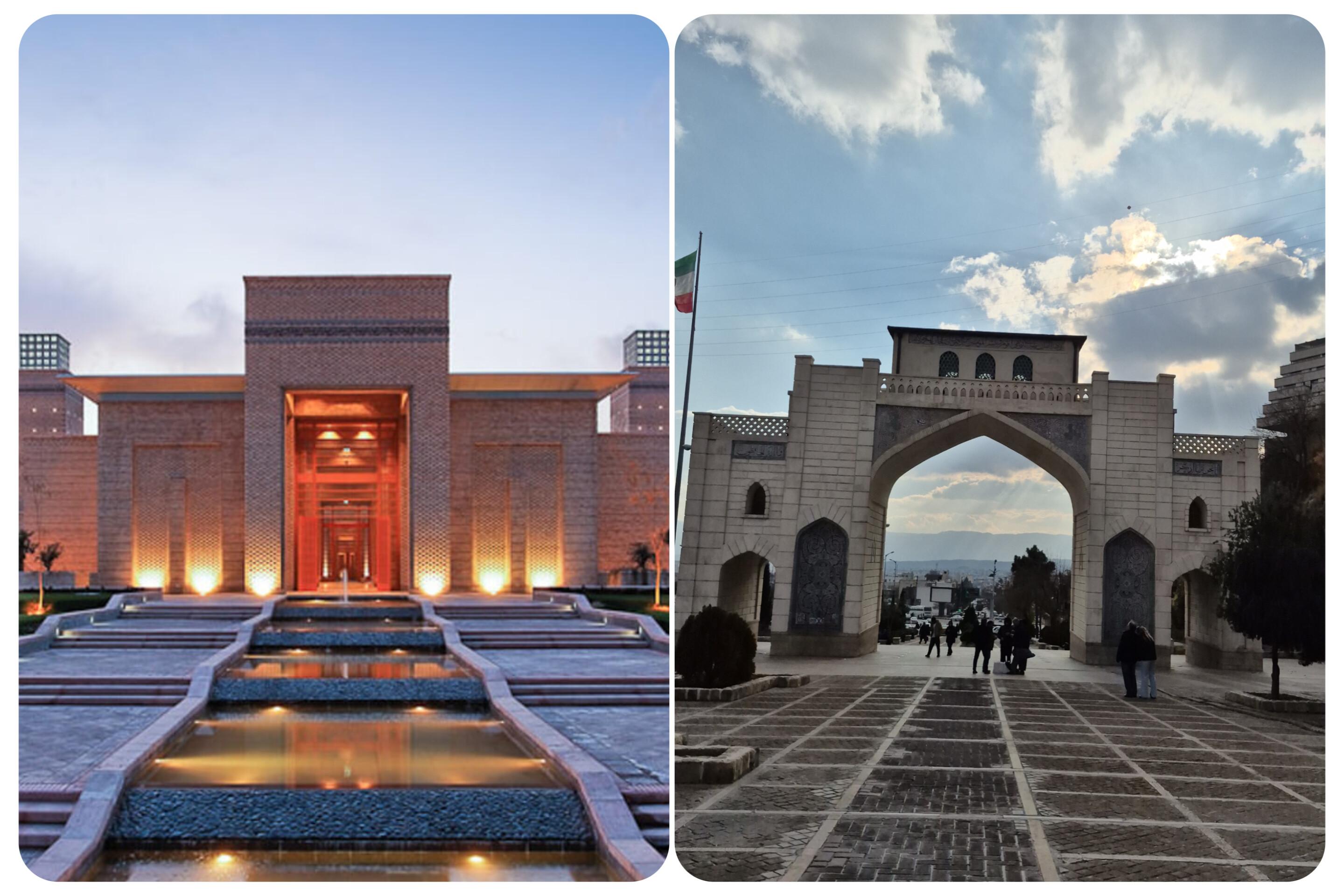
Upon your pre-dawn arrival at Tehran Airport, our representative—holding a sign with your transfer information—will greet you and escort you to your hotel. After checking in, you’ll have time to rest before beginning our morning tour of Tehran.
To make the most of the day and avoid heavy traffic, we’ll use the subway and chartered taxis. This not only saves time but also gives you a great opportunity to interact with local people and experience everyday life in Tehran.
Our tour begins at 9:30 AM with a visit to the Carpet Museum of Iran, home to more than 100 stunning carpets and rugs from across the country. Here, you’ll gain insight into the artistry, craftsmanship, and history behind Persian hand-woven carpets.
Next, we explore the expansive Sa’ad Abad Complex, covering 1,100,000 square meters and featuring 18 historic palaces—two of which we will tour. Originally built by Qajar monarchs in the 19th century, the complex was later used by Reza Shah and Mohammad Reza Shah of the Pahlavi dynasty before being converted into a museum after the 1979 Revolution. Its grandeur and history make it one of Tehran’s most impressive landmarks. Following our visit, we’ll enjoy a delicious Iranian lunch at a traditional restaurant.
In the afternoon, we head to the Reza Abbasi Museum, named after the renowned Safavid-era artist. The museum displays an exceptional collection of Persian art spanning from the 2nd millennium BC to the Islamic period, offering a deep look into Iran’s artistic heritage.
Overnight in Tehran.
Note: The order of sightseeing may vary depending on your arrival time, the guide’s recommendations, and official or unofficial museum holidays. Unforeseen events may cause changes to the tour itinerary.
We begin the morning with a visit to the National Museum of Iran, consisting of two main sections: the Museum of Ancient Iran (opened in 1937) and the Museum of the Islamic Era (opened in 1972). Together, they house an extraordinary collection of historical artifacts—including pottery, metalwork, textiles, rare books, and ancient coins—offering a remarkable journey through Iran’s ancient and medieval heritage. Through these displays, we gain a vivid picture of the evolution of civilization in this region.
Our next stop is the magnificent Golestan Palace, the former Qajar royal complex and one of Tehran’s oldest and most celebrated monuments. This UNESCO World Heritage Site includes elegant halls, beautiful gardens, and collections showcasing Iranian craftsmanship as well as European gifts from the 18th and 19th centuries.
We then take a stroll through the bustling Tehran Bazaar, the economic heartbeat of the city. More than just a marketplace, the bazaar is a vibrant social hub where daily life unfolds—people gather, interact, and shape the cultural and political landscape of the city. After our walk, we enjoy lunch at a local restaurant.
Our Tehran sightseeing concludes with a visit to the National Jewelry Museum, home to an unrivaled collection of priceless jewels. Among its treasures is the famed Darya-e-Noor (“Sea of Light”), one of the world’s most renowned diamonds. (The museum is only open on Saturdays to Tuesdays from 13:00 to 16:00).
In the late afternoon, we transfer to the airport for our flight to Mashhad.
Overnight in Mashhad.
Mashhad, the second most populous city in Iran, is located in the northeast near the borders of Turkmenistan. The city is best known and deeply revered for housing the tomb of Imam Reza, the eighth Shia Imam. Each year, millions of pilgrims travel to Mashhad to visit the shrine and pay tribute.
In the afternoon, we will begin our tour at the holy shrine of Imam Reza. This magnificent complex is essentially a living museum, showcasing masterpieces created throughout history by Iran’s finest artisans. Here you can admire exquisite mirror work, stucco decorations, moqarnas (stalactite-style ornamentation), marquetry, wood and stone carvings, as well as exquisite handwoven carpets. Exploring the shrine offers a profound insight into Iranian art, culture, and social history from ancient times to the present day.
Afterward, we will visit the Astan Quds Razavi Central Museum, one of the most important museum complexes in Iran, inaugurated in 1964. Its diverse collections include Islamic art and historical artifacts displayed across several specialized museums, such as the Museum of Quran and Precious Objects, the Carpet Museum, the Armaments Museum, the Museum of Coins and Medals, and the Museum of Fine Arts.
Drive to the Iranian Border, Dogharoun. Do the formalities and After completing all paperwork, proceed to the final gate where all documents will be checked one last time before you are released onto Afghan soil.
Drive to Herat. Late Afternoon, arrive in Herat Check into your hotel
Embark on a captivating Full-Day Herat City Tour, uncovering the city's rich heritage. From the magnificent Masjid Jami and the grand Tomb of Goharshad to the historic Guzargah Mosque and the imposing Herat Citadel, immerse yourself in the enchanting history of this remarkable Afghan city.
Visit the Masjid Jami or Friday Mosque, built by the Ghurid ruler Ghiyas ad-Din Ghori in 1200 (597 AH). Explore the Herat Citadel, dating back to 330 BC from the time of Alexander the Great.
Visit the Tomb of Goharshad, part of a larger complex along with the Minarets of Herat. Explore Guzargah Mosque (Khawaja Abdullah Ansari) and Puli Malaan.
Don't miss visiting the Herat Citadel, also known as Ekhteyar Uddin Herat, Afghanistan. Located in the northern part of the city on a big hill, offering a viewpoint of the city.
Transfer to Herat Airport. Flight duration is approximately 1 hour to 1.5 hours. Arrive at Dushanbe International Airport. Transfer to City Center and Take a gentle evening stroll on Rudaki Avenue to feel the city's pulse.
Enjoy Dushanbe, the cultural, economic, and political center of Tajikistan, on a guided tour. Visit the many museums and squares, and the complex of Kohi Navruz, all while learning about its history.
Simplify your visit to the Hisar Fortress from Dushanbe. We will arrive in Hissar in 30-40 minutes. We will visit the Old Madrasa. In the XVI–XVIII centuries, two madrassas and the mausoleum of Makhdumi Azam (translated "The Greatest Lord") were built. It is not known for sure who it was built for). Nearby, as with any other medieval fortress, there were houses and craft workshops.
The incredible Hissar Fortress was once the magnificent palace of one of the Bukhara Emirate's most powerful beys! Inside, you'll find a stunning pool and a gorgeous garden.
Return to Dushanbe
Drive to Panjakent, roughly 253km in total. In Panjakent you’ll visit the Musium of Rudaki,the local Bazar, the ruin of Sogdiana and Sarazm.