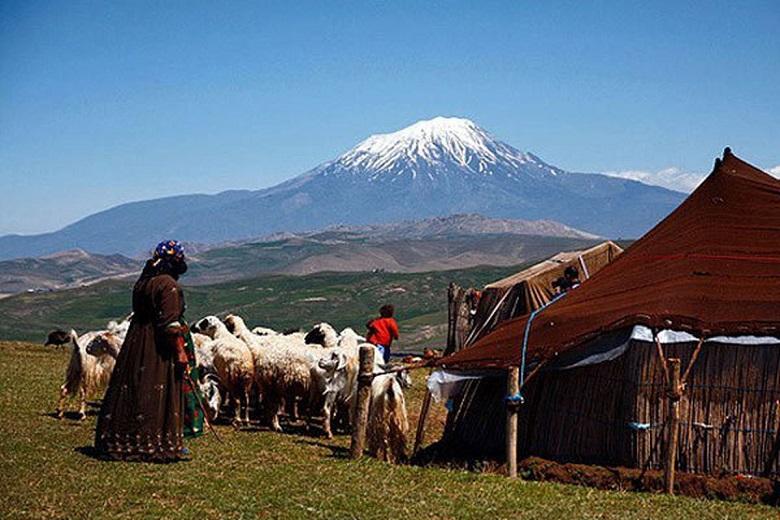


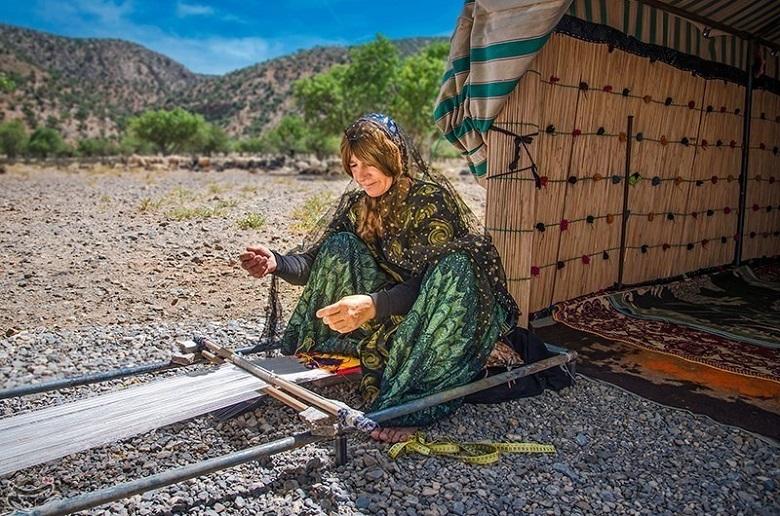
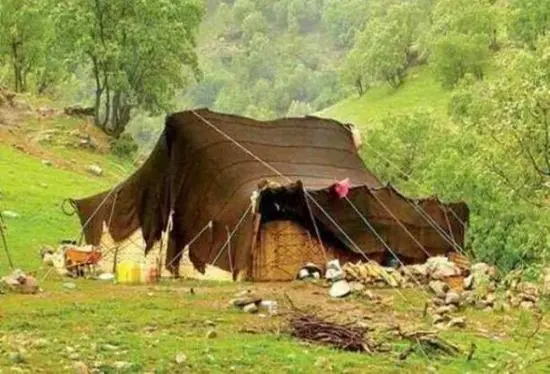
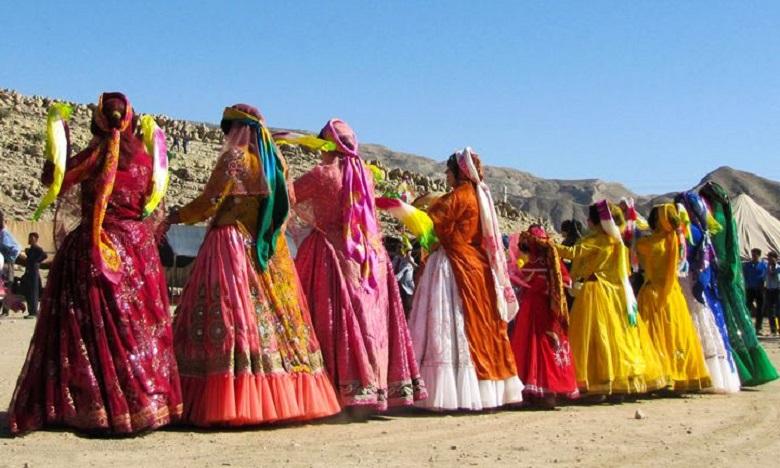
For millenniums, a big number of Iranians have lived a nomadic life style, moving continuously in search of better pasture for their sheep and goats, and a place to shelter in the hard and bitter winters. Although nowadays the numbers are shrinking, while your travel to Iran, you may still grab the chance to spend some time with an Iranian nomad family, sleep in their "black tents", drink their tea , eat their organic meals and listen to their traditional music. Key2persia provides a wide range of Iran nomad tour packages for its guests and invites all adventure seekers to explore and enjoy the company of great, warm and welcoming Iranian nomads. Join us on the Iran nomad tours that offer a fascinating introduction to Iran's diverse and beautiful landscapes as well as Iran's nomadic lifestyle, its people and culture. The experience will be wonderful!
Arrival at Tehran Imam Khomeini International Airport marks the beginning of the journey. After completing customs and collecting luggage, the route turns south toward Kashan, a historic town long known for its merchant houses, gardens, and desert architecture. The drive takes approximately 2.5 hours.
Upon arrival in Kashan, a short exploration introduces the elegance of classical Persian design. The Fin Garden, a beautifully preserved UNESCO-listed site, reveals the Persian mastery of water, symmetry, and shade. Then, one of Kashan’s historic houses—Tabatabaei or Borujerdi—offers a glimpse into refined domestic life, where stucco reliefs, frescoes, and windcatchers shaped comfort in an arid climate.
By late afternoon, the journey continues toward Isfahan, reached after an additional two-hour drive. Arrival allows time to rest after the day’s overland transfer.
Overnight: Hotel in Isfahan
The day unfolds in Isfahan, often described as “Half the World,” a city where imperial ambition, art, and daily life have coexisted for centuries. Palaces, gardens, and bazaars form a dense urban fabric that stands in deliberate contrast to the mobile life encountered later in the journey.
The exploration begins at Chehel Sotoun Palace, a royal pavilion set within a tranquil garden. Its wooden columns, reflected in the long pool, create the illusion that gave the palace its name—“Forty Columns.” From here, attention shifts to Naqsh-e Jahan Square, one of the largest public squares in the world and the ceremonial heart of Safavid Isfahan.
Around the square, architectural landmarks emerge naturally: Ali Qapu Palace overlooking the vast open space, the Imam Mosque with its monumental entrance and refined geometry, and Sheikh Lotfollah Mosque, celebrated for its intimate scale and luminous interior.
As evening approaches, time is left unstructured. An optional walk across Khajoo Bridge, views from Sofeh Park, or a visit to a traditional hammam offer a gentle conclusion to the day.
Overnight: Hotel in Isfahan
Leaving Isfahan behind, the road begins to rise toward the Zagros Mountains. Urban density gradually dissolves into open valleys, mountain roads, and wide skies, signaling a transition from settled life to regions shaped by seasonal movement.
The drive of approximately 190 km, lasting 4.5 to 5 hours, leads toward the highlands near Shahr-e Kord. Along the way, early signs of nomadic environments appear—temporary structures, grazing routes, and landscapes organized around migration rather than permanence.
Arrival in Shahr-e Kord marks the threshold between two worlds.
Overnight: Guesthouse in Shahr-e Kord
The journey continues deeper into the Koohrang highlands, where altitude, water, and pasture define life. Upon reaching the nomadic area, introduction to a Bakhtiari family marks the first true immersion into nomadic existence.
Settlement into the camp happens gradually. Time is spent understanding how space is organized, how family roles shape daily tasks, and how seasonal migration determines rhythm and decision-making. Tea is shared, meals are prepared together, and conversation unfolds without urgency.
This is not a performance, but an opening—an entry into a way of life governed by movement and environment.
Overnight: Nomadic tent
Comfort: Basic • No showers
The day follows the natural rhythm of Bakhtiari nomadic life. There is no fixed schedule; instead, activities emerge organically. Those interested may participate in food preparation, accompany herds on short walks, or simply observe the quiet continuity of pastoral routines.
Walking, if chosen, remains easy and optional, lasting between two and four hours. The focus is not activity but presence—understanding how time is experienced when movement replaces clocks.
Overnight: Nomadic tent
After breakfast, the route crosses higher Zagros passes toward the south. The drive of approximately 220 km takes around five hours, passing through dramatic mountain landscapes shaped by water, wind, and elevation.
Along the way, encounters with Lur and Kurdish communities illustrate Iran’s ethnic diversity as something lived and observed rather than explained. Languages, dress, and settlement patterns shift subtly, reflecting centuries of adaptation to terrain.
By evening, arrival in Yasuj offers a return to basic settled accommodation.
Overnight: Guesthouse or simple lodge in Yasuj
The day is spent with Qashqai nomadic families in the regions surrounding Yasuj. Differences between Bakhtiari and Qashqai life appear naturally—through language, tent structure, music, food habits, and social organization.
Shared meals, short walks, and daily camp life provide insight into another nomadic identity, one shaped by different routes, histories, and seasonal strategies, yet guided by the same logic of movement.
Overnight: Nomadic tent
The journey gradually turns back toward the settled world with a drive to Shiraz. Mountain landscapes slowly give way to open plains as the road descends, marking a visible shift in environment and lifestyle.
The drive of approximately 150 km takes around three hours. Arrival in Shiraz allows time for rest or light exploration, easing the transition from nomadic space to urban rhythm.
Overnight: Hotel in Shiraz
A day excursion leads to Persepolis and Naqsh-e Rostam, monumental remains of ancient imperial Iran. These stone complexes are approached not simply as archaeological sites, but as a conceptual contrast to nomadic life—permanence versus mobility, stone versus fabric, empire versus migration.
The round-trip drive covers approximately 120 km. By afternoon, return to Shiraz allows time to reflect on the opposing ways societies leave their mark on the land.
Overnight: Hotel in Shiraz
The journey returns once more to Qashqai nomadic areas, this time without introduction or explanation. Familiarity allows deeper observation—daily routines, quiet labor, and the subtle interactions that define life on the move.
The experience deepens through time spent rather than information shared.
Overnight: Nomadic tent
A final nomadic stay introduces a different family or subgroup, emphasizing variation within nomadic life itself. The focus remains on diversity without comparison, presence without display.
By now, patterns feel familiar, yet no two camps are the same.
Overnight: Nomadic tent
The journey concludes with a flight from Shiraz to Tehran, lasting approximately 1 hour and 20 minutes. Upon arrival, international departure arrangements follow, marking the end of the nomadic journey.