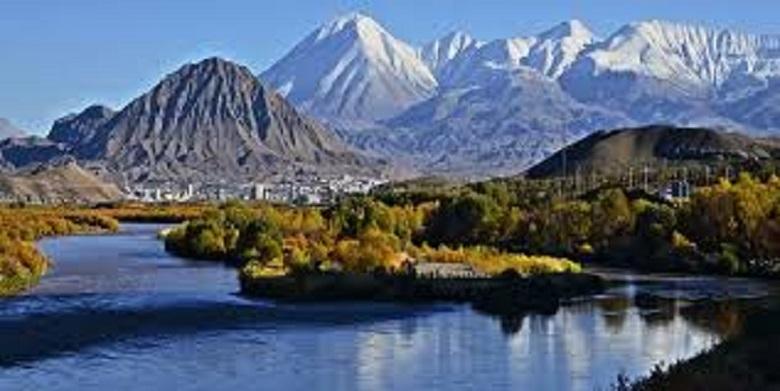


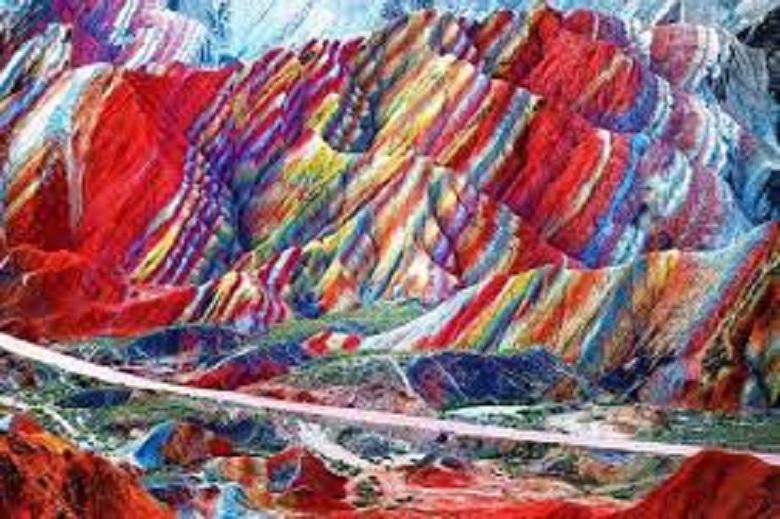
This expedition explores the rugged and scientifically diverse northwestern corner of the Iranian Plateau, where the collision between the Iranian and Eurasian plates has created a complex tapestry of volcanic peaks, colorful sedimentary basins, and historic geological markers. The crown jewel of this tour is the Aras UNESCO Global Geopark, home to the world-renowned Ali-Bashi section—one of the few places on Earth where the Permian-Triassic boundary is clearly visible, marking the greatest mass extinction in history. Led by Shiraz University’s top specialists, we will journey from the "Hoodoo" formations of Zanjan to the "Rainbow Mountains" of Tabriz and finally to the volcanic tuffs of Kandovan, offering an unparalleled look at the forces that shaped the northern edge of the Tethys Ocean.
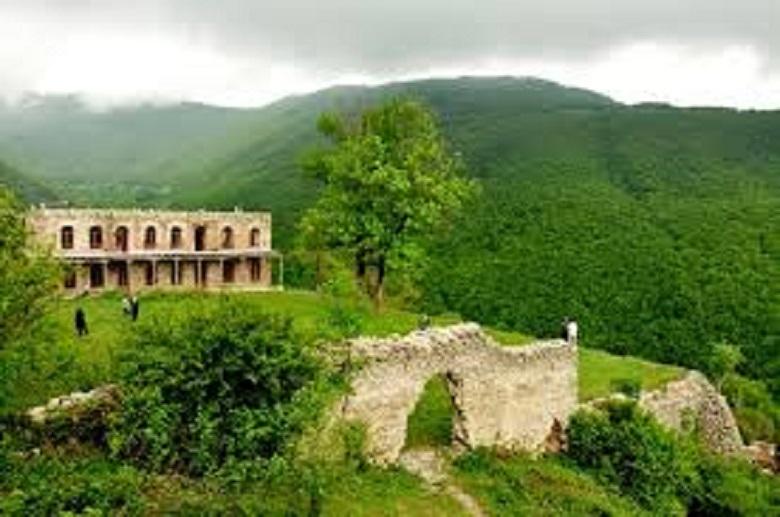
The tour begins in Zanjan, where we first visit the Soltaniyeh Dome to discuss the use of local geological materials in ancient architecture. The afternoon is dedicated to the Mahneshan region, specifically the Behestan Castle. Here, our scientific team will lead an analysis of "Hoodoo" geomorphology—tall, thin spires of rock formed by differential erosion. We will examine how the harder caprocks have protected the softer underlying sedimentary layers, creating these "Djinn’s Chimneys." This site provides an excellent introduction to the "Upper Red Formation," a key stratigraphic unit in Northern Iran.
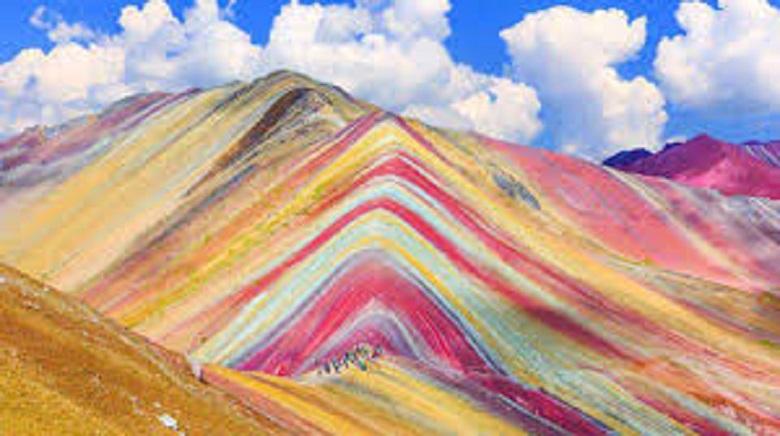
Today we travel from Zanjan toward Tabriz, traversing the Aladaghlar Mountains. This area is a masterpiece of sedimentary geochemistry. We will spend the day studying the vibrant red, green, and yellow stripes of these hills. The scientific focus will be on the oxidation states of iron, manganese, and copper within the siltstones and marls. Your professors will explain how these minerals reacted with the atmosphere during different climatic cycles millions of years ago, resulting in the "Rainbow" effect that makes this one of the most photographed geological sites in Asia.
We move toward the border city of Jolfa to enter the Aras UNESCO Global Geopark. This day is the scientific climax of the tour: the Ali-Bashi Mountains. We will hike to the world-famous Permian-Triassic (P-T) boundary section. Here, participants can touch the very thin layer of rock that marks the extinction of over 90% of all marine species 250 million years ago. The session focuses on biostratigraphy, carbon isotope excursions, and the volcanic/climatic theories behind this global catastrophe, providing a once-in-a-lifetime experience for any earth scientist.
Today is dedicated to the structural geology of the Aras River valley, which serves as the tectonic boundary between the Iranian Plateau and the Caucasus. We will visit the Khajeh Nazar Caravanserai and the St. Stephanos Cathedral area to observe the contact between sedimentary sequences and igneous intrusions. The scientific discussion will revolve around the "Cimmerian Orogeny" and how the closure of the Neo-Tethys ocean pushed these layers into the dramatic folds visible along the riverbanks.
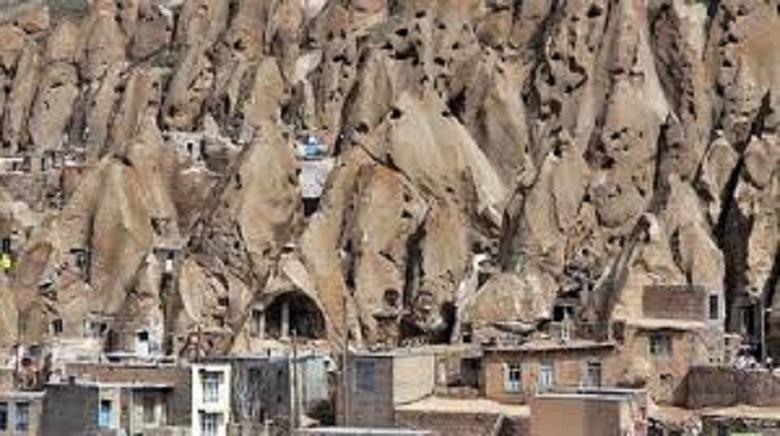
Leaving the river valley, we ascend the slopes of Mount Sahand to the village of Kandovan. This area is a textbook example of "Ignimbrite" and "Pyroclastic" geology. We will analyze the thick layers of volcanic ash and tuff that were ejected during the massive eruptions of Sahand. The focus is on "diffusive erosion"—the process that allowed locals to carve their homes directly into the soft volcanic rock. We will discuss the petrology of these volcanic materials and the geothermal history of the region.
We spend the day at the edge of Lake Urmia, the largest endorheic lake in the Middle East. The geological focus here is on tectonic subsidence and hypersaline sedimentation. We will analyze the salt crusts and the evolution of the lake basin within the Urmia-Dokhtar magmatic arc. Discussions will include the environmental geology of the lake’s recession and the chemical precipitates (halite and gypsum) that dominate the shoreline, providing a modern analog for ancient evaporite basins.
Our final day is spent in the city of Tabriz, exploring the local geology and its impact on urban history, including the Tabriz fault—one of the most active strike-slip faults in the country. We will have a concluding seminar where we synthesize the week’s observations, from the extinction event in Jolfa to the volcanic flows of Sahand. After a final farewell dinner with the Shiraz University team, guests will be transferred to the airport for their departure, concluding an epic journey across Iran’s northern tectonic frontier.
Departure from Tabriz.