

This 5-day tour presents the essential triangle of Persian culture and history, connecting three iconic cities in a logical and scenic route. Starting and ending in Shiraz, this itinerary covers the poetic elegance of Shiraz, the ancient desert architecture of Yazd, and the magnificent Safavid-era splendor of Isfahan.
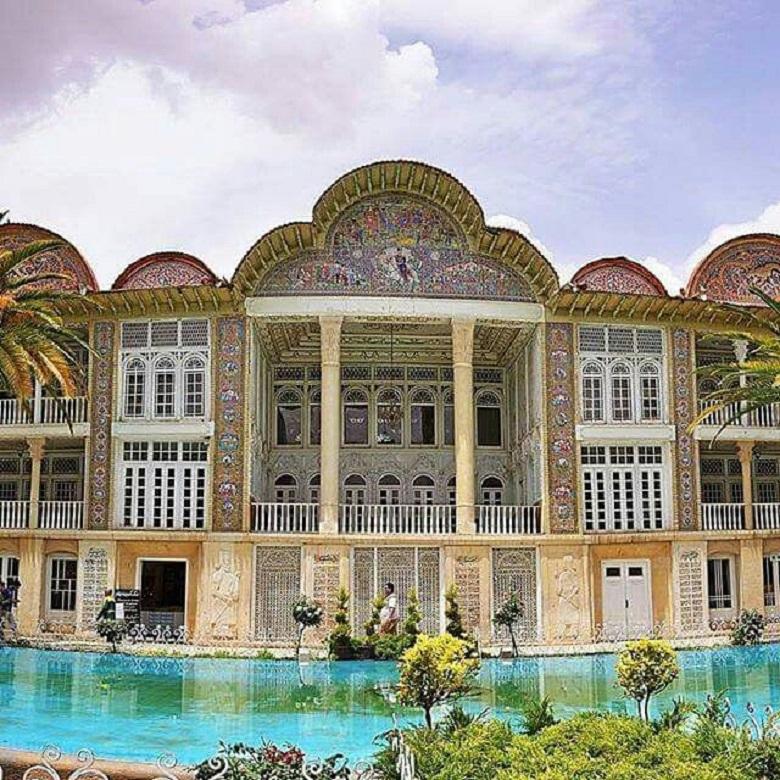
Sightseeing: Karim Khan Palace, Vakil Mosque, Vakil Bazaar, SarayeMoshir, Nasir Almolk Mosque, the tombs of Hafez and Saadi, Ali-Ebn-e-Hamzeh, JahanNama Garden, Eram Garden, and the tomb of Khajoy-e-Kermani
Upon your pre-dawn arrival at Shiraz airport, our representative, carrying our logo show card (transfer information), will meet and transfer you to your hotel. You will have time to rest and relax before our morning tour of Shiraz begins.
Shiraz has a reputation for being an enlightened city that has been at the cultural heartland of Iran for more than 2,000 years. It had once been the country\'s capital. It is crowned as the heartland of Persian culture, and this city of sophistication will never fail to conjure up images of roses and nightingales, gardens and poetry.
In the morning, we relish in the highlights of Shiraz when it was the capital of Iran during the Zand Dynasty. Be inspired by the glorious Karim Khan Palace, the splendid Vakil Mosque, Vakil Bazaar and SarayeMoshir with its splendid architecture and interesting ethnic souvenir shops, and the Nasir Almolk Mosque. Next, we will stop for a mouth-watering Iranian lunch at one of the traditional restaurants in Shiraz.
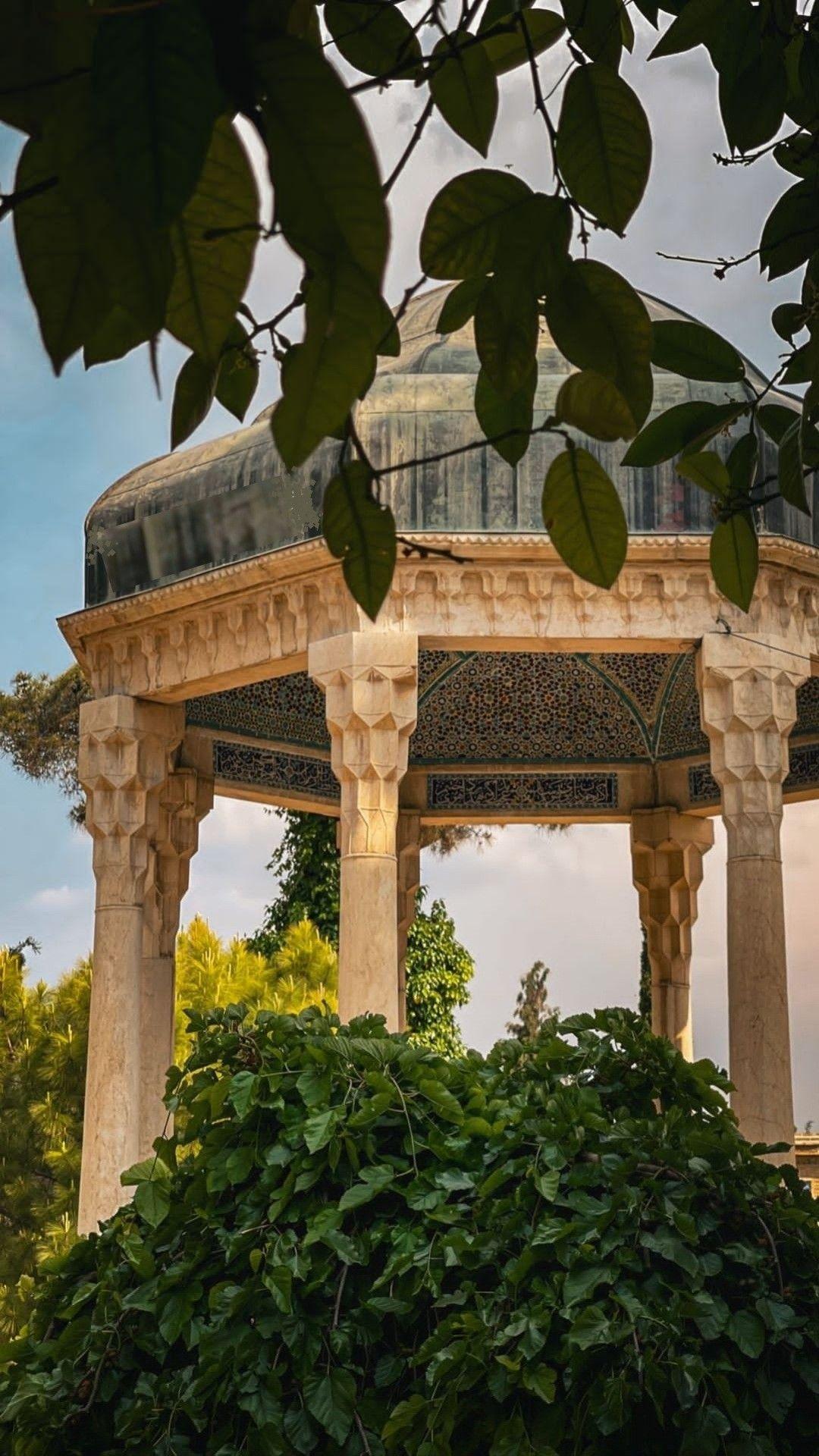
This gorgeous city is home to famous poets such as Hafez and Sa\'adi, and historical sites from different eras dating back to 6,000 years ago can be found. Hafez is one of the great poets who impressed everyone with his mastery. His poems give us a special feeling and the peace in his tomb is really outstanding. Saadi is a poet, philosopher and mystic who is known as the founder of alternative tourism. He travelled to different countries and cities about seven centuries ago. Then he collected all his experiences in verse and rhyme prose in two books named Boustan and Golestan. These two books give you lots of inspiration and information. We will get a chance to pay homage to the tombs of these great poets.
In the evening,we will visit the Eram Garden, a complete sample of Persian garden registered by UNESCO as a world heritage.Then we will visit Ali-Ebn-e-Hamzeh and be prepared to marvel at its beauties. Next, We will take a stroll through the Jahan Nama Garden and witness its tall and proud cedars. Finally we will visit the tomb of Khajoy-e-Kermani from where the perspective of the mysterious city of Shiraz will remain in our mind. Stay overnight in Shiraz.
Attention: The priority in sightseeing may be changed due to the time of your arrival, preference of your guide and also official and unofficial holidays of some museums.
Sightseeing: Persepolis, Naqsh-e Rustam, Pasargadae
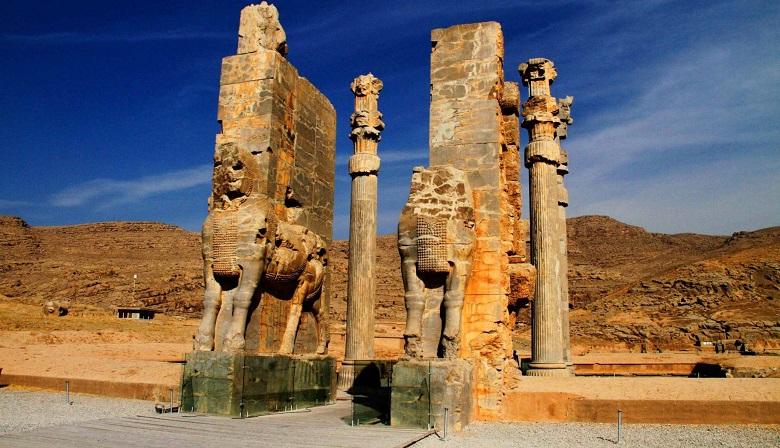
In the morning, we first pay a visit to Persepolis. Founded by Darius I in 518 B.C., Persepolis was the capital of the Achaemenid Empire. It was built on an immense half-artificial, half-natural terrace, where the king of kings created an impressive palace complex inspired by Mesopotamian models. The importance and quality of the monumental ruins make it a unique archaeological site. It seems that Darius planned this impressive complex of palaces not only as the seat of government but also, and primarily, as a showplace and a spectacular center for the receptions and festivals of the Achaemenid kings and their empire such as Nowroz.
The second place we stop by is Naqsh-e Rustam. Opposite Mount Rahmat, ten minutes to the north, proudly stands the Naqsh-e Rustam, the magnificent burial place of Achaemenid kings. The site also provides seven bas-reliefs dating back to Elamite and Sassanid periods and finally we will visit Pasargadae which was once the capital of the Achaemenid Empire under Cyrus the Great who had issued its construction (559-530 BC); it was also the location of his tomb. we will visit Pasargadae which was once the capital of the Achaemenid Empire under Cyrus the Great who had issued its construction (559-530 BC); it was also the location of his tomb.
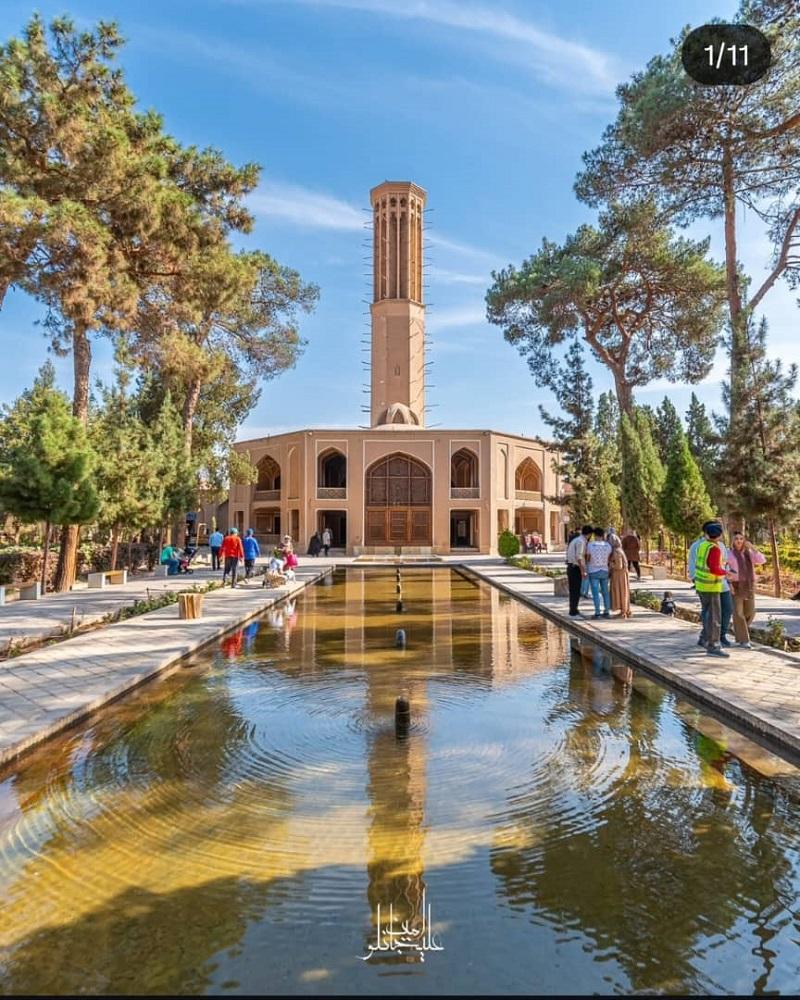
Sightseeing: Jame Mosque, Old City, Alexander’s Prison, Tomb of the 12 Imams, Dowlatabad Garden, Yazd Water Museum, confectionary and handicraft workshops.
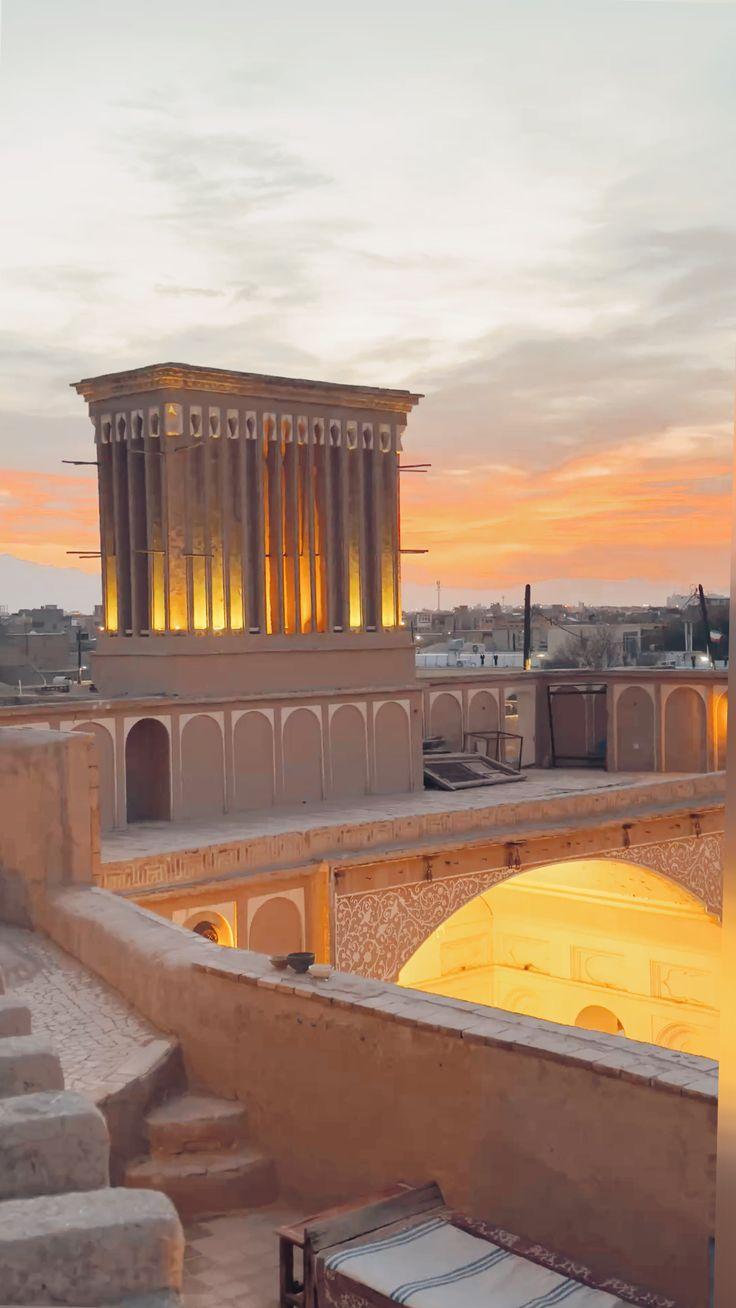
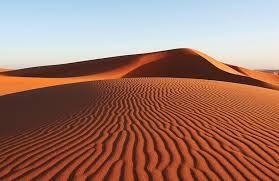
Yazd, the oldest adobe city in the world which is surrounded by the 4000m summit of Shirkooh and two majestic deserts of Iran, Dasht-e-Kavir and Kavir-e-Loot. This ancient city is furnished with mosques of stunning beauty. The co-existence of the splendid fire temples and the holy sites of different religions astonish every visitor.
Today’s tour includes visiting the Jame Mosque, the old city of Yazd, the 15th-century domed school known as Alexander’s Prison because of a reference to this apparently dastardly place in a Hafez poem. Whether the deep well in the middle of its courtyard was in fact built by Alexander the Great and used as a dungeon seems doubtful, no matter what the guide says. The building is worth a look for the small display on the old city of Yazd, but mostly the fee covers access to a warren of craft workshops.
Then we continue with Dowlatabad Garden; an authentic Iranian garden that annually attracts thousands of domestic and foreign tourists. This is a complex built according to the original Iranian architectural style and consists of a large garden and some buildings.
Afterwards we head for Yazd Water Museum. This 124- year-old Museum displays the tool, techniques used for the past 4000 years in Iran in creating underground waterways (called Qanats) and connectincting them to the city and field locations for agricultural and other uses. Yazd water museum was set up in 2000 in the wake of the first international conference on qanat in Yazd. The museum building has once been a merchant’s house built in 1929. Two qanats are running beneath the museum at different levels, which are reachable through a special stairway called Payab. This museum has put on display a variety of water objects from Qanat to water ownership documents. The museum is one of the best tourist destinations in Yazd, which receive hundreds of visitors every day. Finally we pay a visit to confectionery and handicraft workshops.
Drive to Isfahan and stay there at night.
Sightseeing: Vank Cathedral, Si-o-seh Pol bridge, Chaharbagh Abbasi, Naqsh-e Jahan Square, Aliqapoo Palace, Shah Abbas Mosque
Isfahan—often described as “Half the World”—is a legendary city that never fails to enchant its visitors. Known as the jewel of traditional Islamic architecture, Isfahan is also a vibrant center where history and contemporary arts blend beautifully. Famous for its magnificent palaces, elegant gardens, and serene atmosphere, the city has captivated travelers for centuries.
Our first visit would be Vank Cathedral, one of the most beautiful Armenian churches in the world, renowned for its intricate frescoes, gilded decorations, and peaceful courtyard. It is a profound cultural and spiritual landmark that captivates visitors—especially Christian travelers.
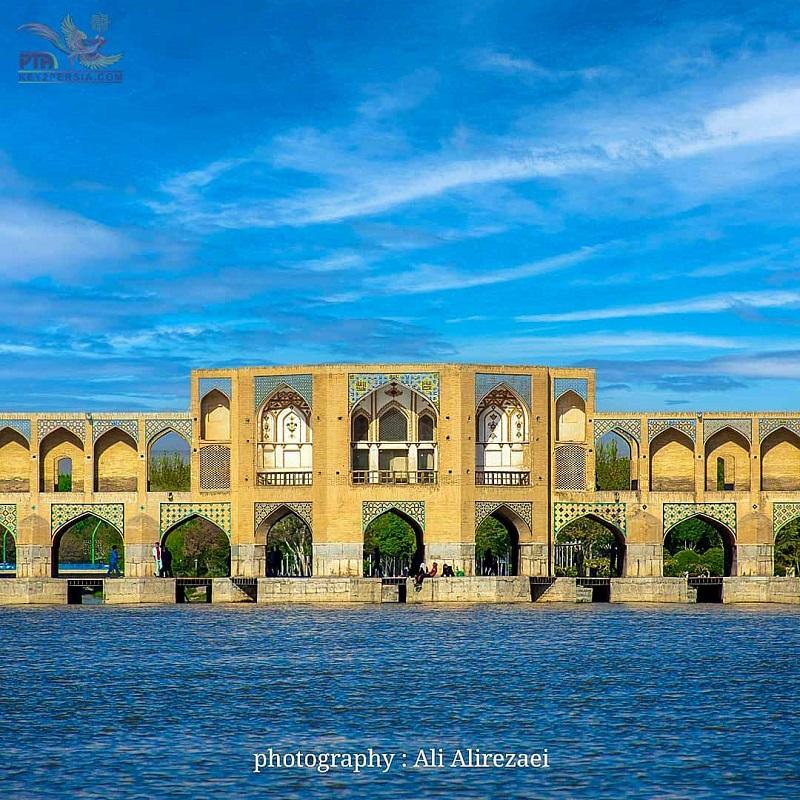
We will the visit iconic Si-o-seh Pol (Allahverdi Khan Bridge), the celebrated “Bridge of Thirty-Three Arches.” This masterpiece of Safavid engineering spans the Zayandehroud River at a length of nearly 298 meters, making it the longest and one of the most elegant bridges in Isfahan.
Later, we’ll stroll along Chaharbagh-e Abbasi, one of Isfahan’s most charming historic streets, leading to Naqsh-e Jahan Square to visit Ali Qapu Palace and Shah Abbas Mosque.
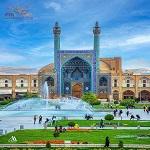
Naqsh-e Jahan Square is one of the largest and most impressive squares on the planet, second in size only to Beijing’s Tiananmen Square. Surrounding the square are some of the most stunning architectural masterpieces of the Safavid era.
Next, we explore Ali Qapu Palace, whose name combines the Persian “Ālī” (imperial or great) and the Azerbaijani “Qāpū” (gate). As the grand gateway to the royal palaces stretching from Naqsh-e Jahan Square to Chahar Bagh Strret, Ali Qapu served as a ceremonial entrance and an elevated viewpoint for watching polo matches and festivities in the square.
We continue our tour with visits to two of the city’s most extraordinary religious landmarks: Shah Abbas Mosque, a masterpiece of tilework, calligraphy, and harmonious.