


Arrive at Baghdad International Airport. Meet your guide/driver. Transfer to your hotel.
Begin with a visit to the National Museum of Iraq. This provides crucial context for the ancient sites you'll see.Walk along Abu Nuwas Street along the Tigris River.
Explore the historic Al-Mutanabbi Street, the centuries-old book market. Visit the Abbasid Palace and the nearby Mustansiriya Madrasah. See the iconic Al-Shaheed Monument and the Baghdad Opera House (from outside). Visit the Kadhimiya Mosque & Shrine, a stunningly beautiful and significant Shiite site in the north of the city.
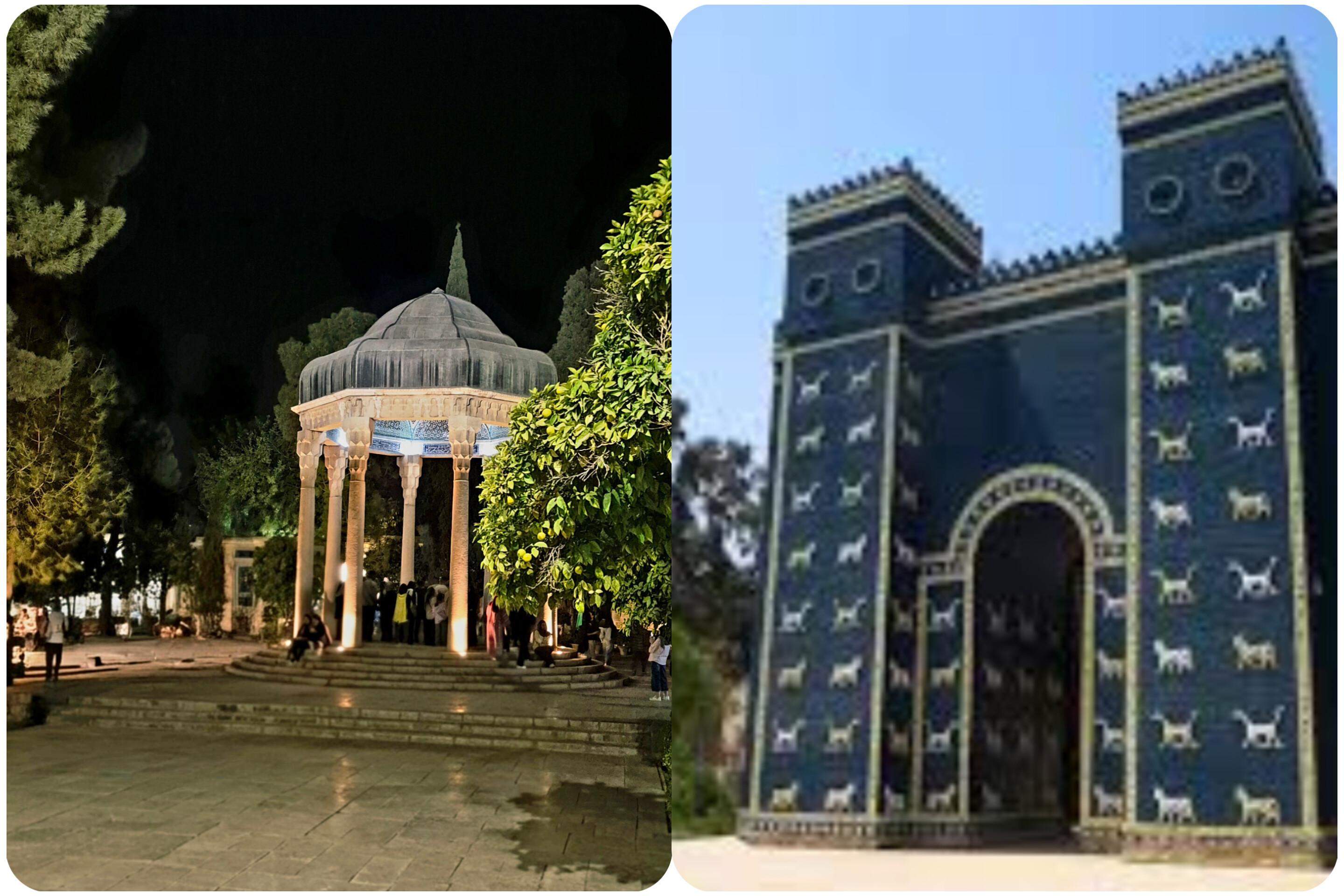
Drive to Babylon. Explore the extensive archaeological site: see the reconstructed Ishtar Gate, Lion of Babylon, the ruins of Nebuchadnezzar's palace, and the ancient theater. Visit the on-site Babylon Museum.
Continue to Ctesiphon (Taq Kasra), located near Baghdad. Marvel at the world's largest single-span brick arch, the last remaining wonder of the Sassanian Empire. Return to Baghdad.
In the morning drive west to Karbala (approx. 2-2.5 hours).Visit the Holy Shrine of Imam Hussein. Experience the profound spiritual atmosphere. Participate in the ritual of Ziyarah (pilgrimage visit). Explore the surrounding bazaars.
Witness the stunning nighttime illumination of the shrines. Visit the Holy Shrine of Imam Abbas. The energy in Karbala is particularly powerful at night.
Drive south to Najaf (approx. 1.5 hours). Visit the Holy Shrine of Imam Ali (A.S.), one of the holiest sites in Shia Islam. Explore the vast cemetery of Wadi al-Salam (Valley of Peace), one of the largest in the world.
Stroll through the ancient Najaf Souk and see the Great Mosque of Kufa nearby, a significant historical mosque.
Drive south to Basrah (approx. 4-5 hours). The landscape will change to the flat plains of the south.
Check into your hotel. Start with a walk along the Shatt al-Arab corniche, seeing the iconic Basrah Times Square clock tower and the Latin Church.
Enjoy a boat ride on the Shatt al-Arab as the sun sets.
Early start. Drive from Basrah to the Shalamcheh border crossing (approx. 1 hour). Note: Border procedures can be lengthy (2-4 hours). Your guide will assist you until the Iraqi exit point. Pre-arrange transport/guide on the Iranian side.
After crossing, meet your Iranian driver. Drive to Ahwaz (approx. 1.5 hours). Check into your hotel.
Take a walk along the Karun River and the pedestrian bridges, enjoying the evening lights.
Today we start early for a full day of exploration in Susa (Shush), Shushtar, and Choqazanbil. The ancient city of Susa, founded long before the Common Era, bears witness to one of the earliest governments in history and the cultural fusion of the Iranian Plateau and Mesopotamia.
Our first stop is the Tomb of Daniel, a site that continues to attract pilgrims from across the Middle East. We then admire the Apadana Palace and the historical castle of Susa, marveling at their architectural elegance and historical significance.
Next, we explore the Choqazanbil Temple, one of the best-preserved Elamite complexes. Our day concludes with a visit to the Shushtar Historical Hydraulic System and its charming historical bridges, a UNESCO World Heritage site showcasing ingenious ancient engineering.
Early morning drive from Ahwaz to Bishapour and visit Bishapour and Tang-e Chogan . Stay over night in a Ecolodge in Tang-e Chogan.
Shiraz has long been known as a center of enlightenment and culture, serving as one of Iran’s most influential cities for over 2,000 years—and once even its capital. Often celebrated as the heartland of Persian culture, Shiraz evokes images of poetry, gardens, roses, and nightingales. We begin our morning by exploring the highlights from the Zand Dynasty, when Shiraz served as the nation’s capital. Our first stops include the impressive Karim Khan Palace, the elegant Vakil Mosque, the bustling Vakil Bazaar
Next, we enjoy a delicious Iranian lunch at one of Shiraz’s traditional restaurants. This enchanting city is also home to Iran’s most beloved poets. We will visit the tombs of Hafez and Saadi, two literary masters whose words continue to inspire readers around the world. Hafez, admired for the depth and beauty of his poetry, rests in a tranquil garden setting that exudes peace. Saadi—poet, philosopher, mystic, and often called the “father of tourism”—traveled widely seven centuries ago and recorded his experiences in his masterpieces Bustan and Golestan, which remain rich sources of wisdom and inspiration. In the evening, we visit the stunning Eram Garden, a perfect example of a Persian garden and a UNESCO World Heritage Site.
Afterwards, we take a peaceful stroll through Jahan Nama Garden, famous for its towering cypress trees. We end the day at the tomb of Khajou-ye Kermani, where a panoramic view of Shiraz offers a memorable final impression of this magical city.
Overnight in Shiraz.
We depart from the hotel at 8:00 AM and begin our journey toward Isfahan, followed by visiting legendary Persepolis, founded by Darius I in 518 BC. Once the ceremonial capital of the Achaemenid Empire, Persepolis was constructed on a vast terrace—partly natural, partly man-made—where the “King of Kings” built an extraordinary complex of palaces inspired by Mesopotamian architecture. Designed not only as a seat of government but also as a spectacular setting for royal ceremonies such as Nowruz, the grandeur and historical significance of its monumental ruins make Persepolis one of the most remarkable archaeological sites in the world.
Next, we visit Necropolis (Naqsh-e Rostam), located just north of Persepolis. This impressive site is home to the rock-cut tombs of Achaemenid kings, carved high into the cliffs of a Mountain. The site also features seven remarkable bas-reliefs from the Elamite and Sassanid periods, offering a fascinating look into Iran’s ancient artistic heritage.
We will then drive another 60 km up north to visit Pasargadae, the first capital of the Achaemenid Empire, founded by Cyrus the Great (559–530 BC). This UNESCO World Heritage Site includes the impressive Tomb of Cyrus and the remains of his royal complex, offering a powerful window into the early Persian Empire.
Overnight in Isfahan.
Our full-day tour begins at the graceful Chehel Sotoun Palace, a royal pavilion set within a peaceful garden at the end of a long reflecting pool. Built by Shah Abbas II for court ceremonies and royal receptions, the palace gets its name—“Forty Columns”—from the twenty wooden pillars at its entrance that, when reflected in the pool, appear as forty.
Next, we’ll visit Sheykh Lotfollah Mosque, a masterpiece of Persian architecture, famed for its intricate tilework, elegant dome, and serene, awe-inspiring beauty.
Our visit continues at Isfahan’s Grand Mosque, a stunning example of Persian architecture, where you can admire its magnificent domes, intricate brickwork, and centuries-old artistry that reflect the city’s rich spiritual and cultural heritage.
Our final visit of the day is the Isfahan Music Museum, where you can explore a fascinating collection of traditional instruments and discover the rich musical heritage of the country.
Overnight in Isfahan.
We begin our day with a visit to Kashan’s most celebrated historic mansions: the Borujerdiha House and the Tabatabaei House. These elegant residences showcase the refined architectural style of the Qajar era, with their intricate stucco work, stained-glass windows, and exquisite courtyards that reflect the lifestyle of wealthy merchant families of the time.
Our next stop is the renowned Fin Garden, a masterpiece of classical Persian garden design and the oldest surviving Persian garden, completed in 1590. Within the complex lies the historic Fin Bath, where the esteemed Qajar chancellor Amir Kabir was tragically assassinated on the orders of King Nasereddin Shah in 1852. The garden’s flowing water channels, ancient cypress trees, and architectural harmony offer a serene and memorable experience.
After lunch, we depart Kashan and make our way toward Tehran.
We begin the morning with a visit to the National Museum of Iran, consisting of two main sections: the Museum of Ancient Iran (opened in 1937) and the Museum of the Islamic Era (opened in 1972). Together, they house an extraordinary collection of historical artifacts—including pottery, metalwork, textiles, rare books, and ancient coins—offering a remarkable journey through Iran’s ancient and medieval heritage. Through these displays, we gain a vivid picture of the evolution of civilization in this region.
Our next stop is the magnificent Golestan Palace, the former Qajar royal complex and one of Tehran’s oldest and most celebrated monuments. This UNESCO World Heritage Site includes elegant halls, beautiful gardens, and collections showcasing Iranian craftsmanship as well as European gifts from the 18th and 19th centuries.
We then take a stroll through the bustling Tehran Bazaar, the economic heartbeat of the city. More than just a marketplace, the bazaar is a vibrant social hub where daily life unfolds—people gather, interact, and shape the cultural and political landscape of the city. After our walk, we enjoy lunch at a local restaurant. Our Tehran sightseeing concludes with a visit to the National Jewelry Museum, home to an unrivaled collection of priceless jewels. Among its treasures is the famed Darya-e-Noor (“Sea of Light”), one of the world’s most renowned diamonds. (The museum is only open on Saturdays to Tuesdays from 13:00 to 16:00) In the late afternoon, we transfer to the IKA airport.