


This specialized expedition is a deep dive into one of the world's most dynamic natural laboratories. The tour focuses on the "Zagros Fold-and-Thrust Belt" and the spectacular phenomenon of "Salt Diapirism." Starting from the historic city of Shiraz, we journey toward the Persian Gulf to witness the ongoing collision between the Arabian and Eurasian plates and the surfacing of 500-million-year-old Precambrian salt. Led by distinguished professors from Shiraz University, this journey transcends a typical sightseeing tour, offering a world-class Field Trip where advanced concepts in sedimentology, active tectonics, and mineralogy come to life.
Your scientific journey begins in Shiraz, the academic hub of Iranian geology. After a warm welcome and hotel check-in, we will hold an intensive briefing session with your lead professor to review the geological maps and the tectonic framework of the region.
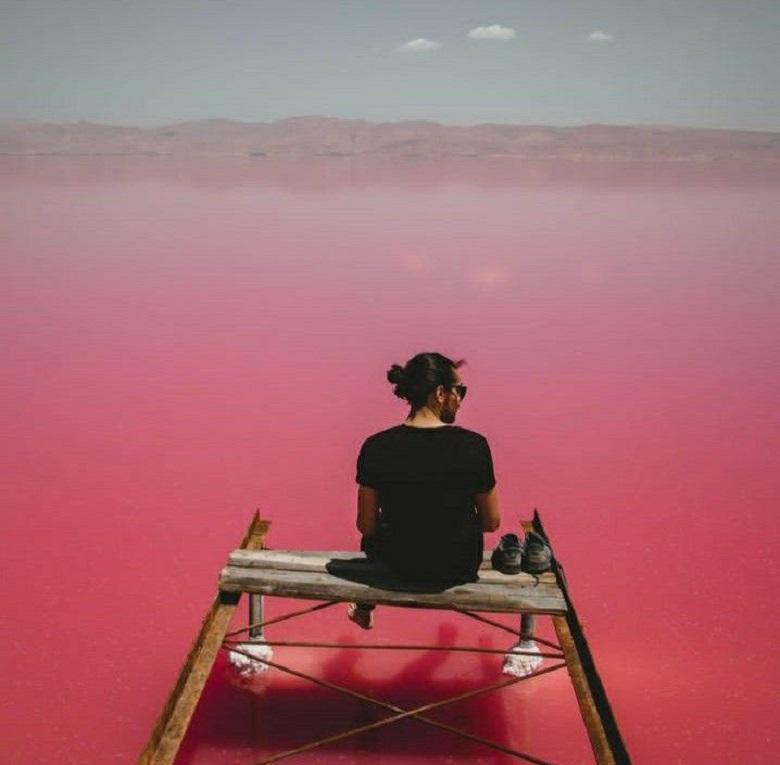
In the afternoon, we head toward Lake Maharloo to analyze contemporary evaporite sedimentation and the impact of tectonic activity on internal sedimentary basins. As the sun sets, we will observe the massive, textbook-perfect anticlines surrounding the city, providing our first lesson on the folding styles of the Zagros belt.
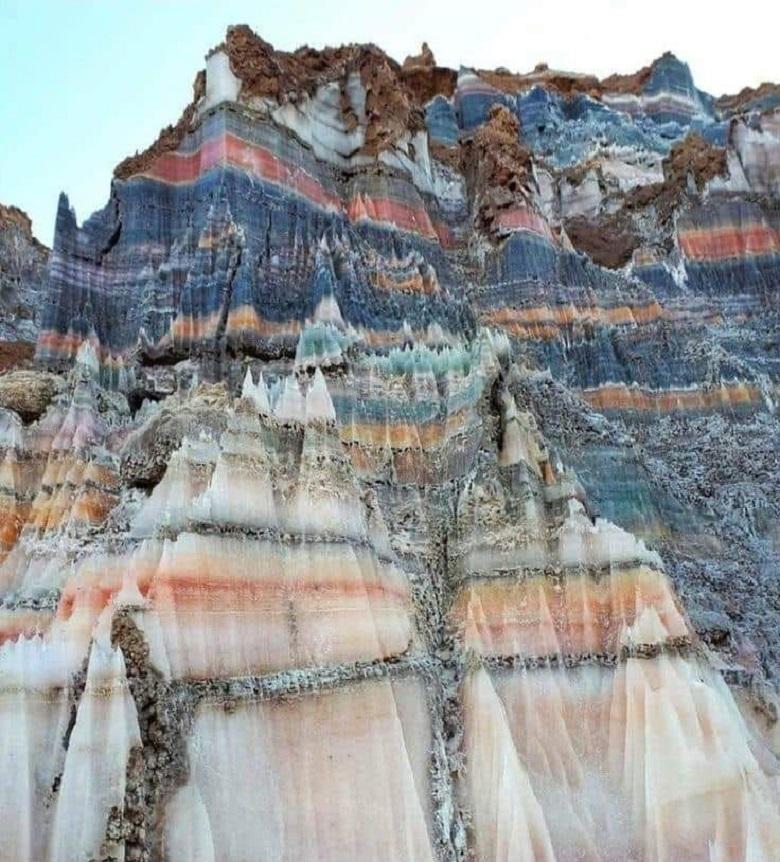
Today, we drive south to Firuzabad to encounter one of geology's most thrilling phenomena: active salt domes. Our primary focus is the "Jahani" or "Konarsiah" salt dome. Here, we observe "Salt Glaciers"—rivers of salt that flow down mountain slopes like icy glaciers but are composed of ancient evaporites. We will study secondary minerals, salt karsts, and the dramatic deformation of adjacent sedimentary strata caused by the forceful upward movement of the diapir.
This day is dedicated to a full structural transect from the High Zagros to the Simply Folded Belt. As we travel from Shiraz to Bandar Abbas, we will make strategic stops to observe facies changes—from the Asmari limestone to the Gachsaran evaporites. Your scientific leader will explain the evolution of the Zagros sedimentary basin from the Precambrian to the present, using roadside outcrops to illustrate the major faults responsible for the region's high seismicity.
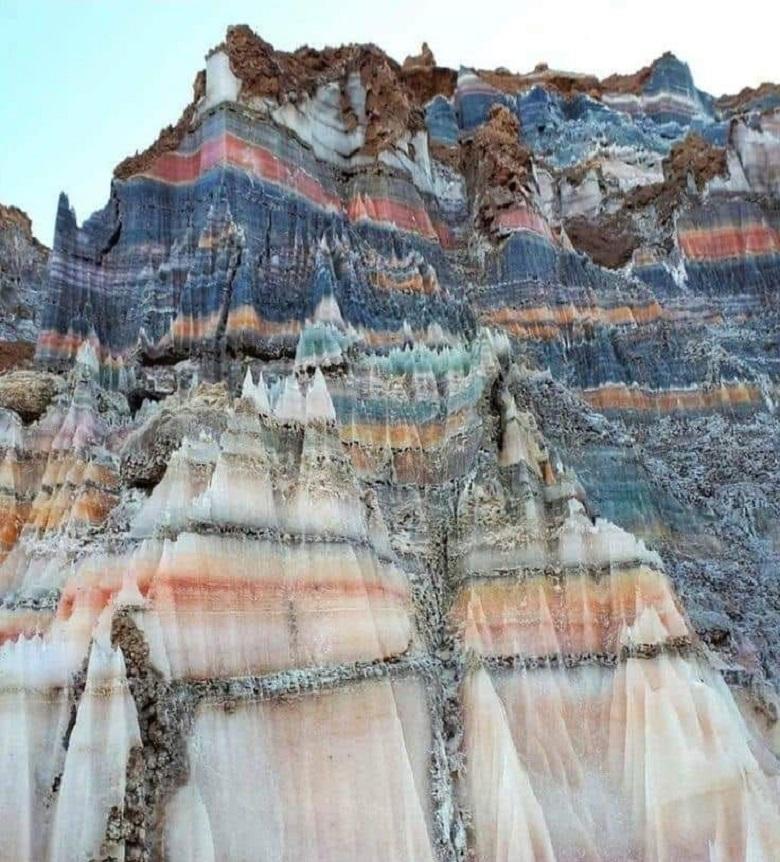
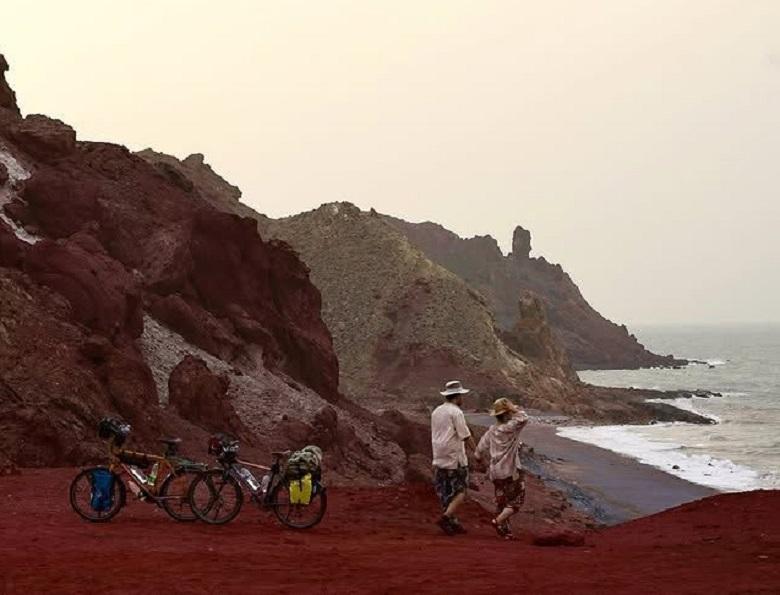
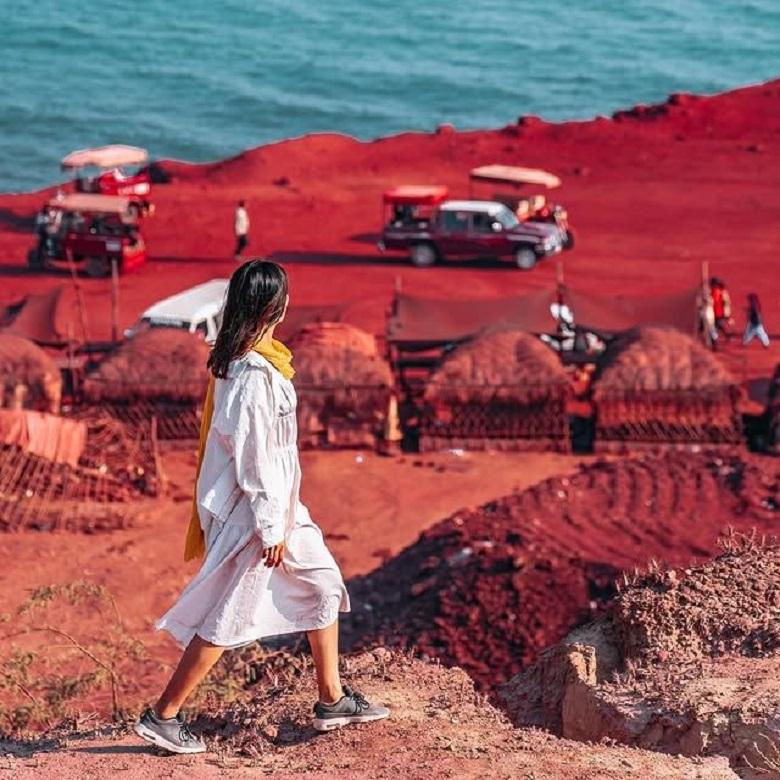
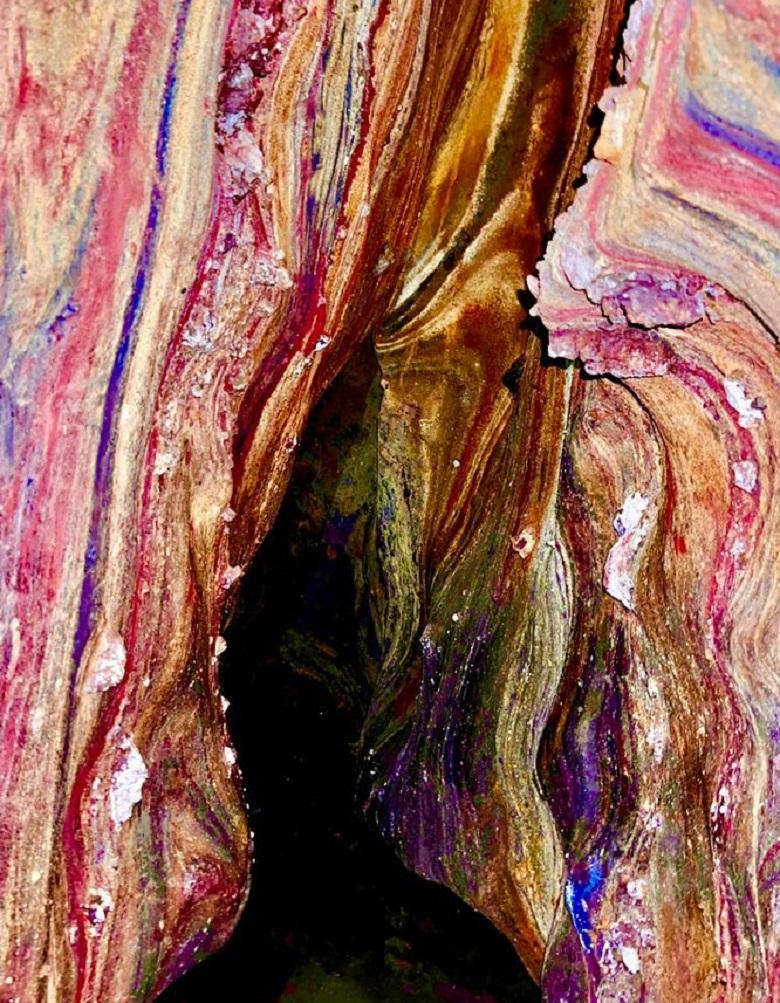
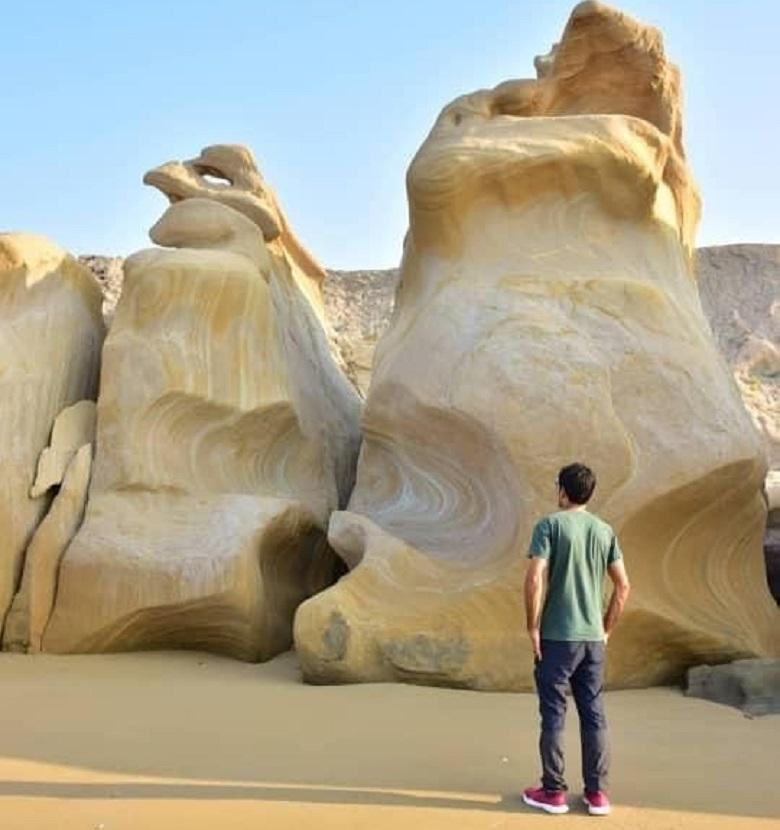
A speedboat takes us across the turquoise waters of the Persian Gulf to Hormuz Island, which is essentially a massive, composite salt dome. Walking through the "Rainbow Valley" provides a rare opportunity to study a staggering variety of minerals, including hematite, oligist, and various igneous and metamorphic rocks brought to the surface by the rising salt. We will analyze hydrothermal alteration and contact metamorphism, while at the "Statue Valley," we examine the impact of coastal erosion on volcanic rocks.
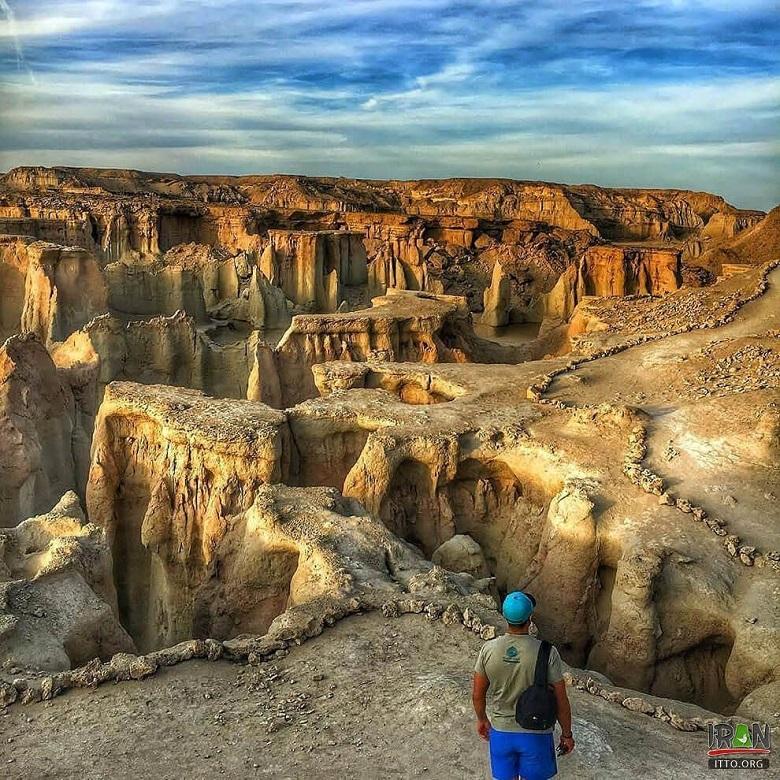
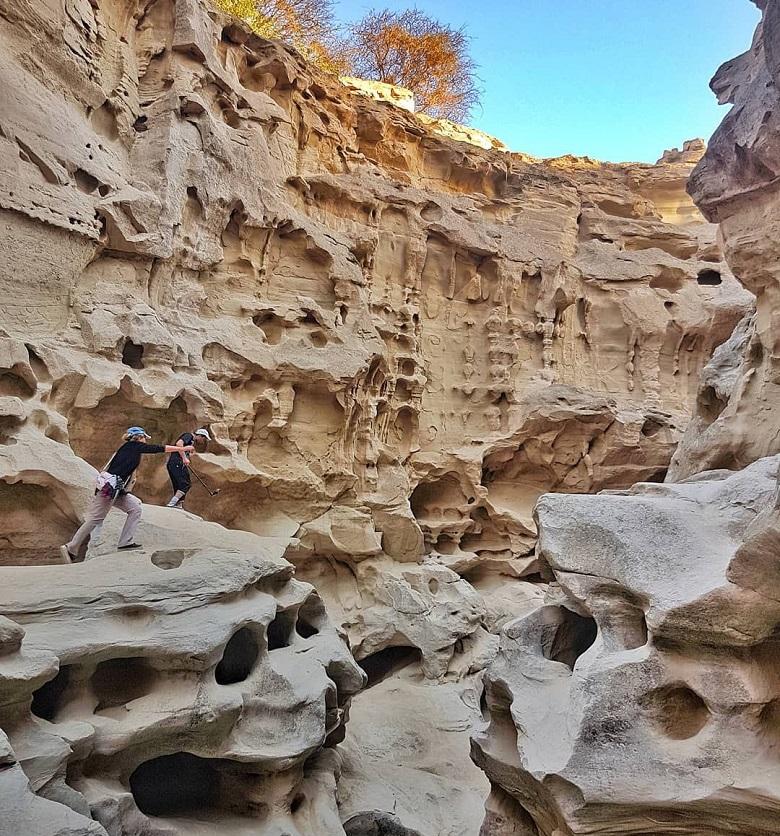
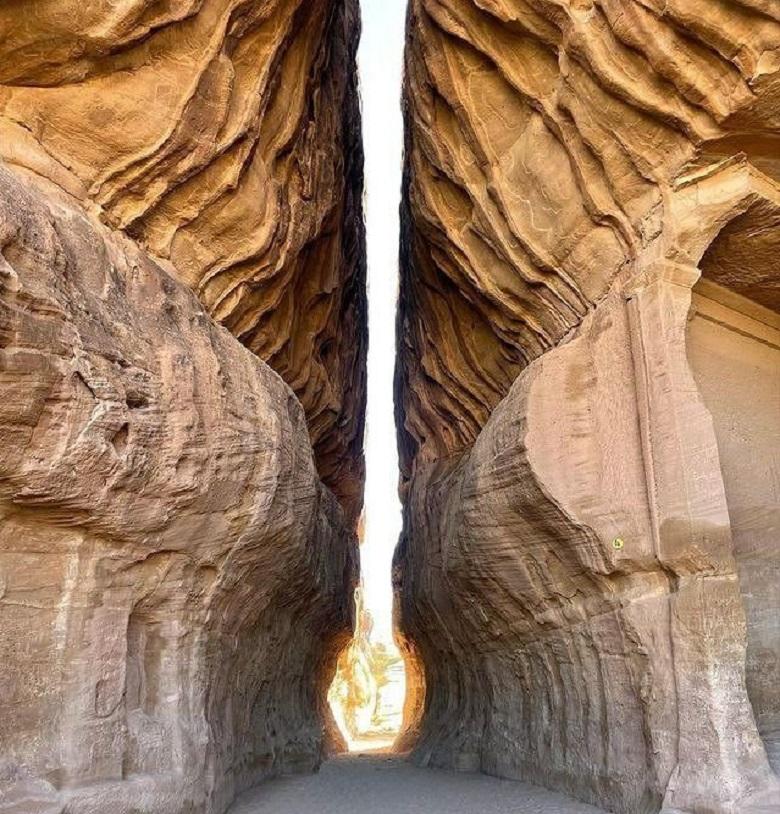
The fifth day focuses on the eastern portion of Qeshm Island, a UNESCO Global Geopark. In the "Stars Valley," we study the mechanisms of eolian and meteoric erosion within the Aghajari and Mishan formations, which have created a surreal landscape. We then move to "Chahkooh Canyon," where sandstone layers with intricate dissolution holes and erosional features tell a story of tectonic stress and fluid flow. This site offers the perfect setting for discussing sequence stratigraphy and ancient depositional environments.
We head to the westernmost tip of Qeshm Island to enter the Namakdan Cave. Recognized as the world's longest salt cave, it serves as a portal into the Precambrian Hormuz Series. Inside, we will study crystalline stalactites, underground salt streams, and unique halite crystal structures. A technical analysis of the Namakdan dome's physical structure and how salt deforms under tectonic pressure will be the core of today's field lecture.
Our final day is spent exploring the Hara (Mangrove) Biosphere Reserve. From a geological perspective, this is a living laboratory for studying biological sedimentation and intertidal depositional environments. We will observe how mangrove root systems stabilize sediments and contribute to the formation of modern deltas. Following this final field observation, you will be transferred to Qeshm or Bandar Abbas airport for your return flight, carrying a transformed perspective on our planet's deep history.
Note: While this itinerary is designed for a professional academic level, it can be fully adapted for students, general enthusiasts, and geotourists. Our leaders are experts at translating complex geological concepts into engaging narratives for all audiences.